
Forget your typical park stroll. Hiking in Kakadu National Park is like walking through a storybook where the chapters are etched in rock, whispered by waterfalls, and sung by Bininj/Mungguy custodians. In this comprehensive guide to hiking trails in Kakadu National Park, I’ll walk you through what it takes to trek these rugged paths — boots, billy, bush sense and all.
Whether you’re up for a sweaty scramble to stone escarpments or a lazy wander to a billabong, Kakadu offers trails that go beyond your average hike. And with around 20,000 square kilometres to explore, there’s a fair bit of ground to cover. Let’s get into it.
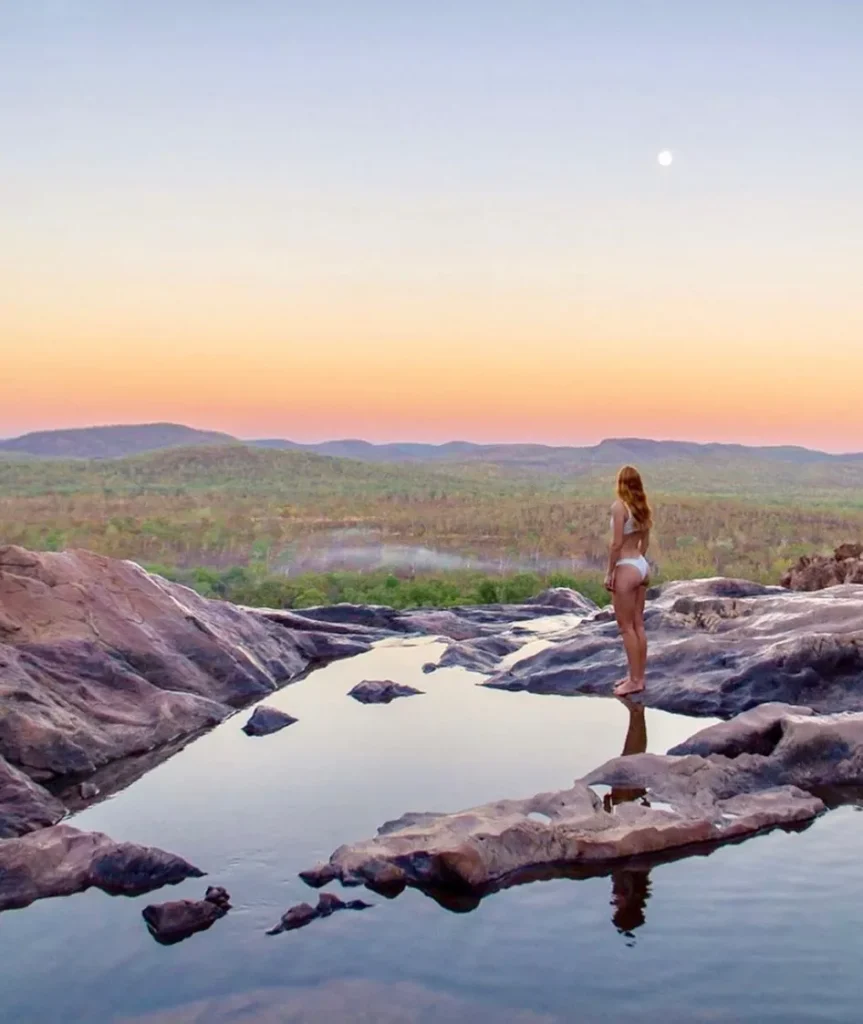
Know Before You Go: Seasons, Permits, and Croc-Savvy Tips
If you only remember one thing, make it this: Kakadu is seasonal. And I don’t mean Melbourne drizzle vs. sun. I’m talking full-blown wet and dry.
The Dry (May to October):
- Best time to hike
- Roads are mostly open
- Waterfalls flow strong early, billabongs dry out later
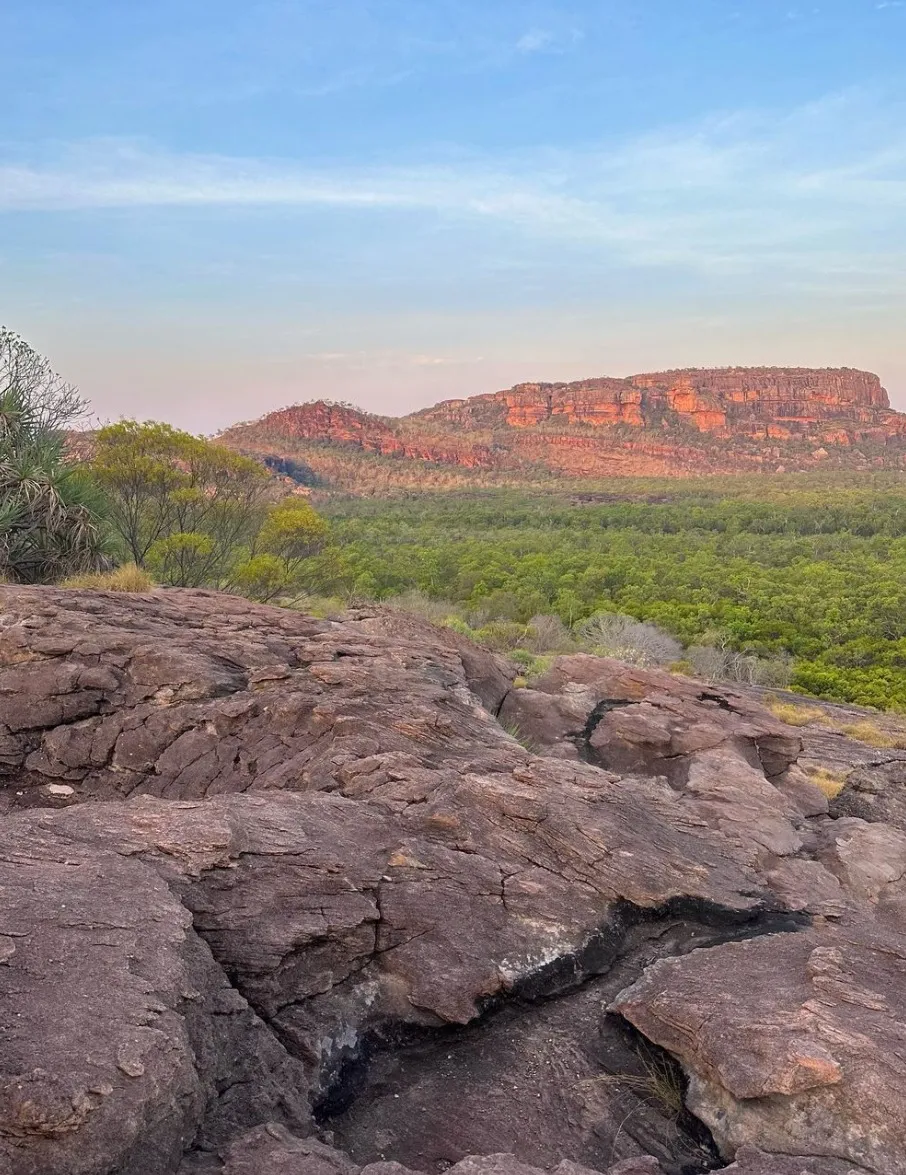
The Wet (November to April):
- High temps and humidity
- Road closures common
- Stunning but tough-going (unless you’re a frog)
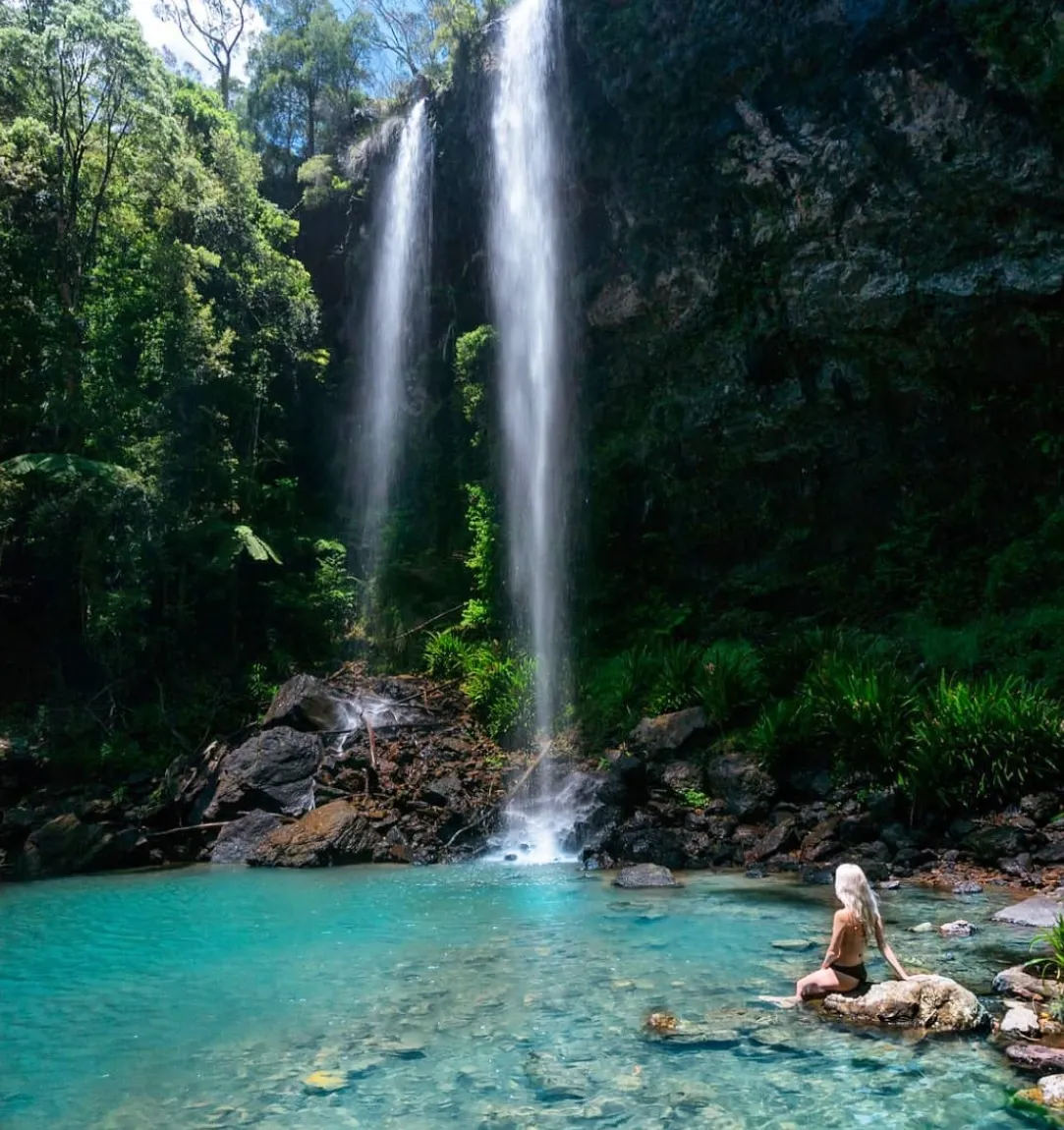
Permits: You’ll need a Kakadu National Park Pass, available online or at park entry points. Some cultural sites or off-the-map walks also require Traditional Owner permission.
Croc-wise tips:
- Obey all signage (yes, even the faded ones)
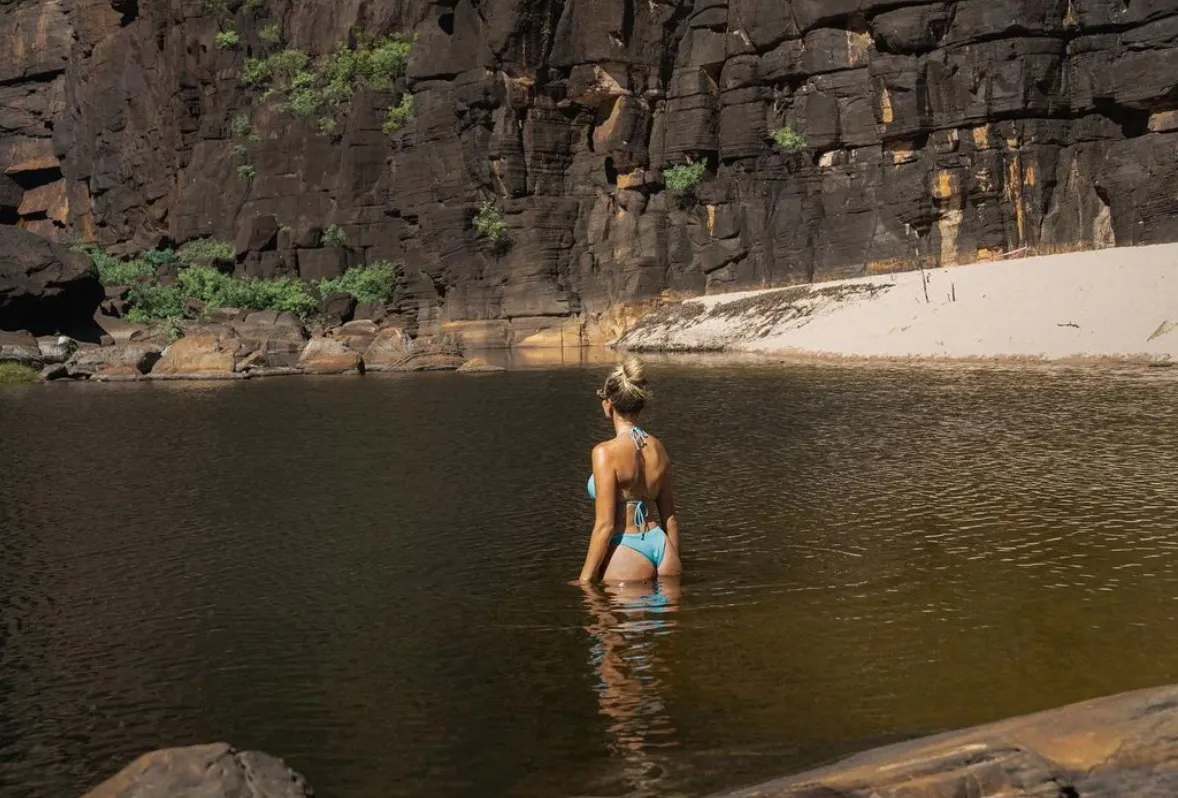
- Don’t swim unless it’s clearly marked safe
- Stick to elevated tracks near waterways
Table: Kakadu’s Top Hiking Trails at a Glance
| Trail Name | Grade | Distance | Highlights | Season | Notes |
|---|---|---|---|---|---|
| Ubirr Walk | Easy | 1 km loop | Rock art, sunset views | Dry | Closes during Wet |
| Nourlangie (Burrungkuy) | Moderate | 1.5 km loop | Art sites, escarpment lookout | Dry/Wet | Great intro walk |
| Barrk Sandstone Walk | Hard | 12 km | Monsoon forest, stone country, escarpments | Dry | Start early, no shade |
| Jim Jim Falls Walk | Hard | 2 km return | Boulder hopping, plunge pool | Late Dry | Access via 4WD only |
| Twin Falls Plateau Walk | Very Hard | 6 km return | Panoramic views, stone country | Dry | Permit & 4WD + boat shuttle |
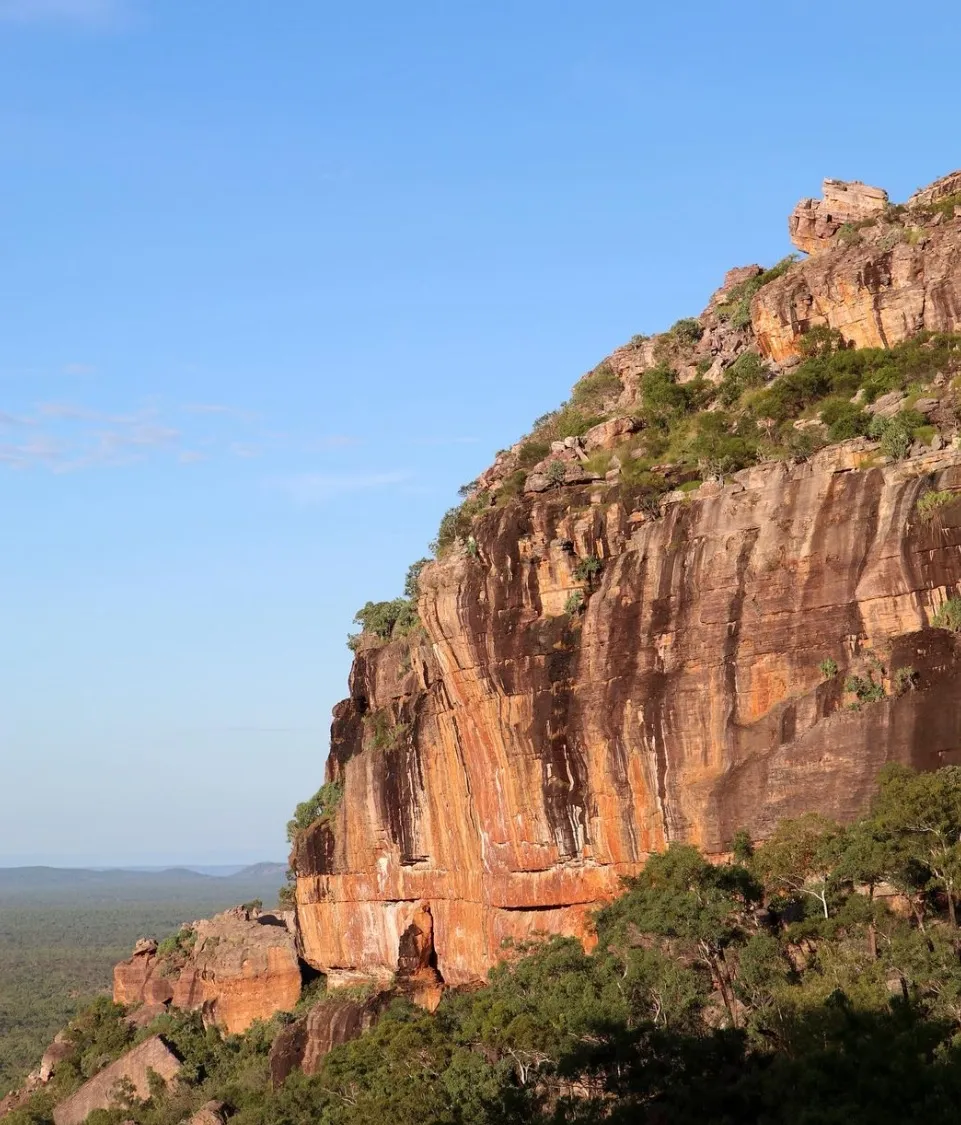
Walks for Every Type of Traveller
If You’re New to Bushwalking…
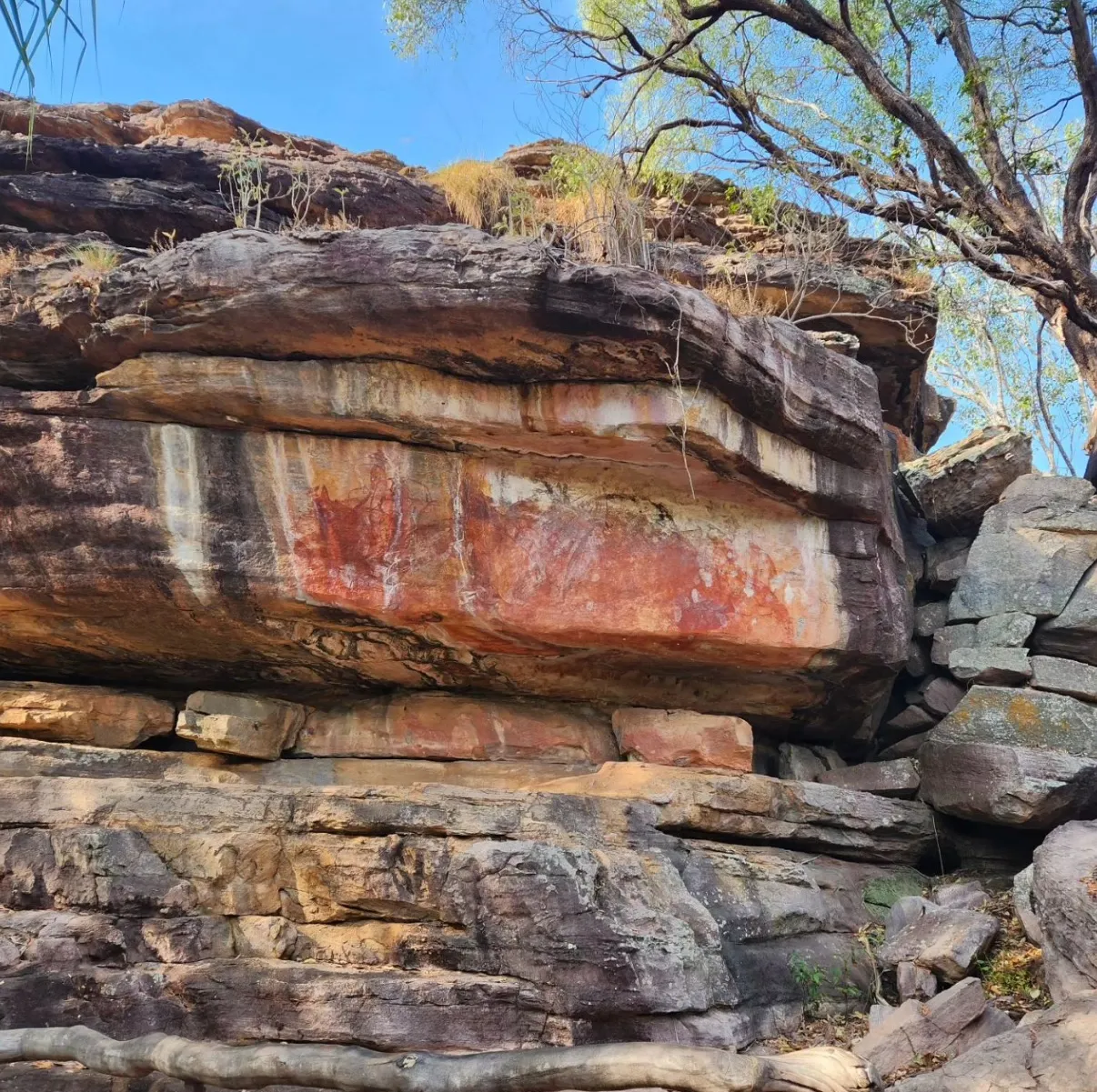
Start with Ubirr or Nourlangie. These are short, well-marked and culturally rich. The rock art alone is worth the sweat.
If You’re Chasing Escarpment Drama
The Barrk Sandstone Walk is a full-day affair and not for the faint-hearted. Expect rocky ascents and blazing sun. Bring at least 3L of water per person and don’t even think about thongs.
If You’re Here for the Waterfalls
Late dry season (Aug–Oct) gives you access to Jim Jim Falls and Twin Falls, though you’ll need a 4WD and a bit of grit. These treks involve rock scrambles, boat shuttles, and croc checks — real adventure stuff.
If You Want Solitude
Head for Yurmikmik Walks. A network of lesser-trafficked trails south of the park where you might share the track with a wallaroo, but not another human.
Local Insight: What the Park Rangers Actually Hike
When I asked a local ranger what she hikes on her days off, she didn’t even pause: “Barrk and Yurmikmik. You earn your views there.”
These aren’t the Instagram loops — they’re the kind of trails where you need to carry a PLB (Personal Locator Beacon), and your phone’s just dead weight.
Planning Your Kakadu Hiking Trip in 2025
One brand that pops up often on traveller radars is Autopia Tours — known for connecting folks to authentic Aussie spots without the fluff. If you’re short on time, they offer curated Kakadu day trips from Darwin that hit key cultural and scenic highlights, with local guides who actually know their goannas from their geckos.
According to NT Tourism’s 2025 trend report, demand for remote hiking trails is up 23% from last year, especially among domestic travellers aged 30–50. This means:
- Book accommodation early (especially in Jabiru or Cooinda)
- Don’t expect to camp at popular sites without a plan
- Trail maintenance is improving, but so is foot traffic
Bring gear that’s trail-tested, not TikTok-approved:
- Boots that can handle jagged stone
- Fly nets (seriously, the mozzies are relentless)
- 4WD, if you’re going anywhere beyond the tarmac
Pro tip? Don’t trust Google Maps alone. Half the park disappears off the grid as soon as you cross the South Alligator.
If you’re doing a Kakadu day trip from Darwin, focus on accessible walks like Ubirr or Nourlangie, and pack plenty of water. It’s a long drive — about 3 hours each way — so leave early and plan to be back before sunset. Many travellers use this as a taster trip before returning for a longer adventure.
Respecting Country While You Walk
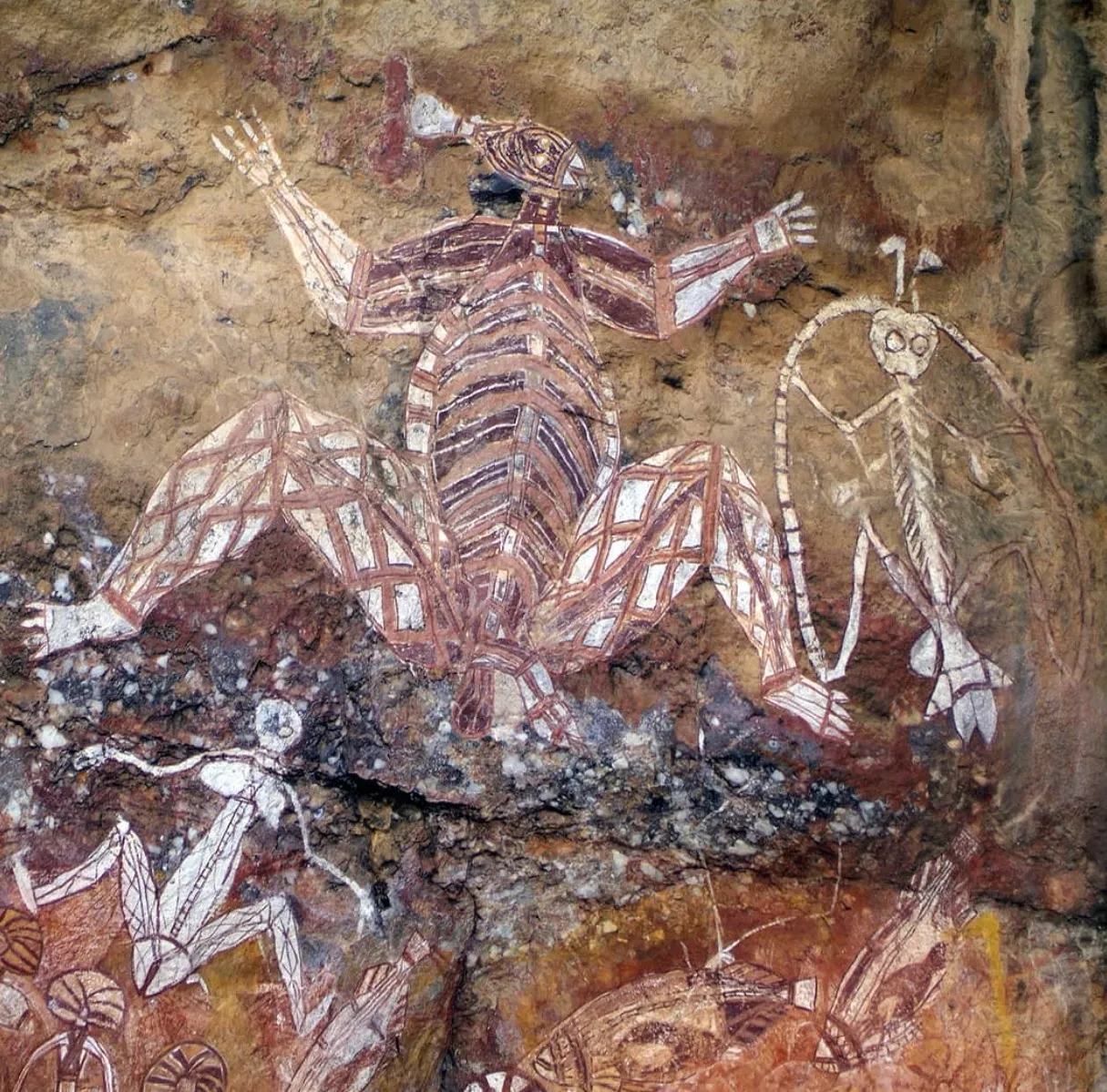
Always walk with respect. Kakadu is Aboriginal land, home to the Bininj/Mungguy people who have cared for it for tens of thousands of years. That means:
- Don’t climb sacred sites
- Follow signage
- Listen to ranger advice and local stories
Want to walk deeper? Join a guided hike led by Traditional Owners or rangers. We offer a few through our eco-tour company, and the stories you’ll hear stick longer than any selfie.
Final Take: Hike Smart, Tread Light
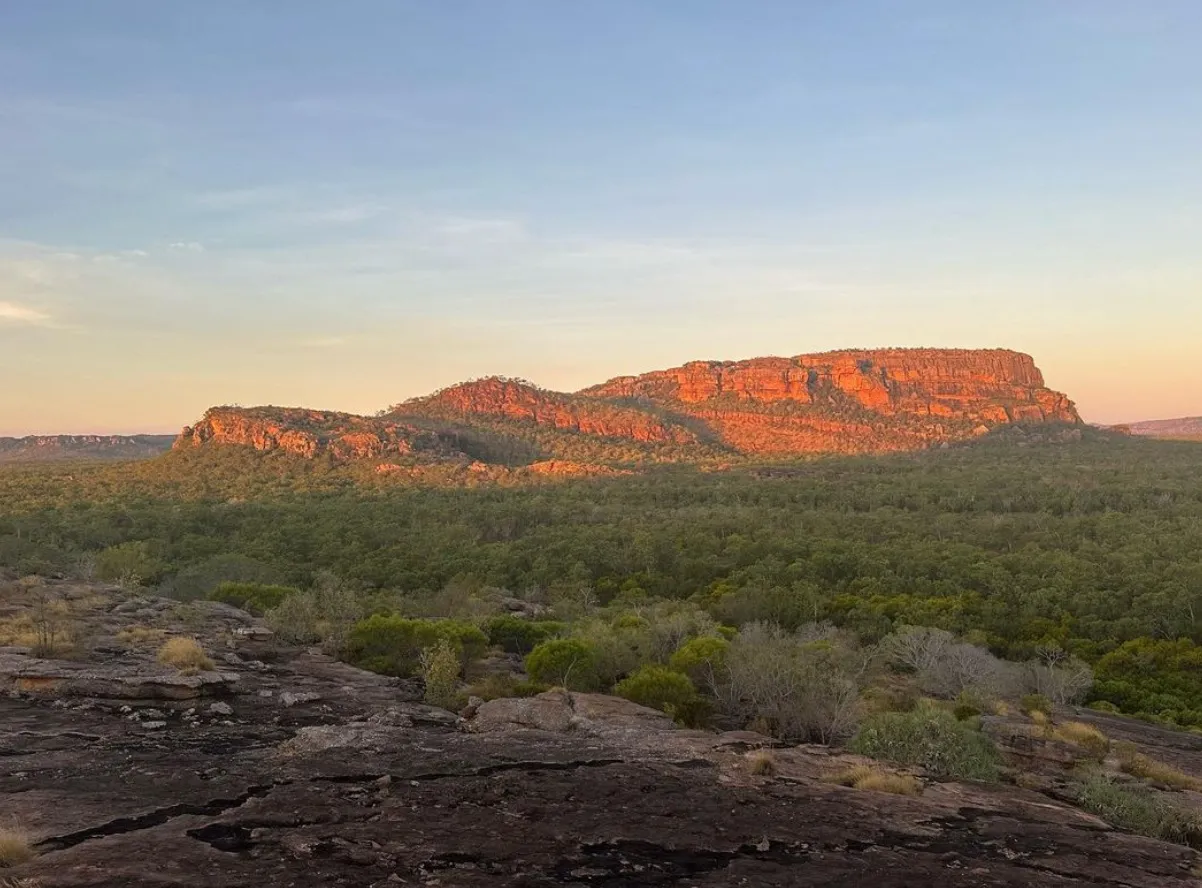
Kakadu doesn’t just show you a landscape — it shows you a living, layered story. But it’s not for show ponies. Come prepared, come curious, and leave nothing but bootprints.
Got a favourite trail I missed? Drop it in the comments — I’m always updating my maps.
FAQs
What’s the best time to hike in Kakadu?
May to October is ideal. Trails are open, it’s dry and less humid, and access roads are navigable.
Can I hike during the wet season?
Some trails like Nourlangie stay open, but many others are closed or inaccessible due to flooding.
Do I need a guide?
Not always, but it’s a good idea for harder trails or if you want cultural insight. Some areas require guided access.
How do I stay safe from crocodiles?
Obey all signs, don’t swim unless marked safe, and avoid walking close to water edges, especially in the wet.
Are dogs allowed on hiking trails in Kakadu?
Nope. Kakadu is a protected area — no pets allowed, even on a leash.