
We dig into what spray-on roofing is. Our crew thinks it’s high time to get the lowdown on how these coating systems behave in the real world, using real Aussie roofing materials.
Spray-on roofing is just another tool in your roofing toolbox – part coating system, part liquid waterproofing compound, part weather shield. It won’t wave a magic wand and fix broken tiles, failing ridge caps, or deep roof leaks hidden under a layer of yuck (we mean dirt and debris). But if you use it right? You can squeeze a bit more life out of your roof, boost energy efficiency, and add an extra layer of water-tightness that’ll hold up way better to Melbourne’s ridiculously unpredictable weather.
The Basic Idea Behind These Coating Systems
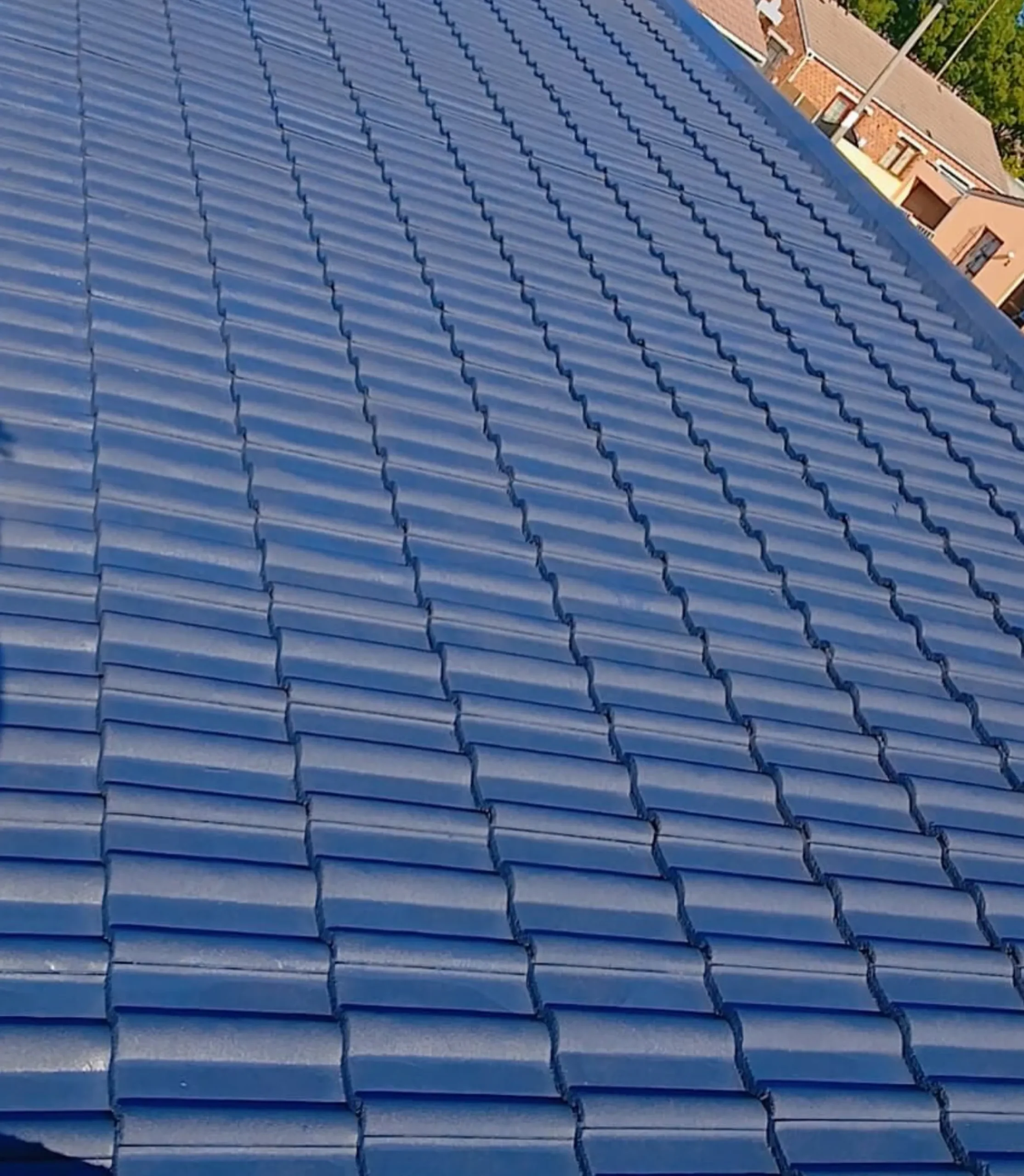
Spray-on roofing is basically a liquid roofing treatment that forms a single membrane across your existing roof substrate. You might see it on metal roofs, old asphalt shingles, or even a Colorbond roof if the prep work is spot-on.
The common nasties you can spray on include:
- Silicone-based coating – tough as nails and can handle high UV levels
- Acrylic coatings – great for reflective roofing that reduces energy costs
- Polyurethane foam and spray polyurethane foam – they’re good for all you insomniacs out there who stay up worrying about your energy consumption
- Liquid roofing compounds– that’ll fill in little surface flaws
They get slung on using – guess what? – the same sort of spray guns we use when spraying on foam insulation or sealing up those pesky roof leaks. Once it’s all cured, you’re left with a UV & weather-resistant layer that slows down heat transfer and keeps the water off.
Where Homeowners Get Misled
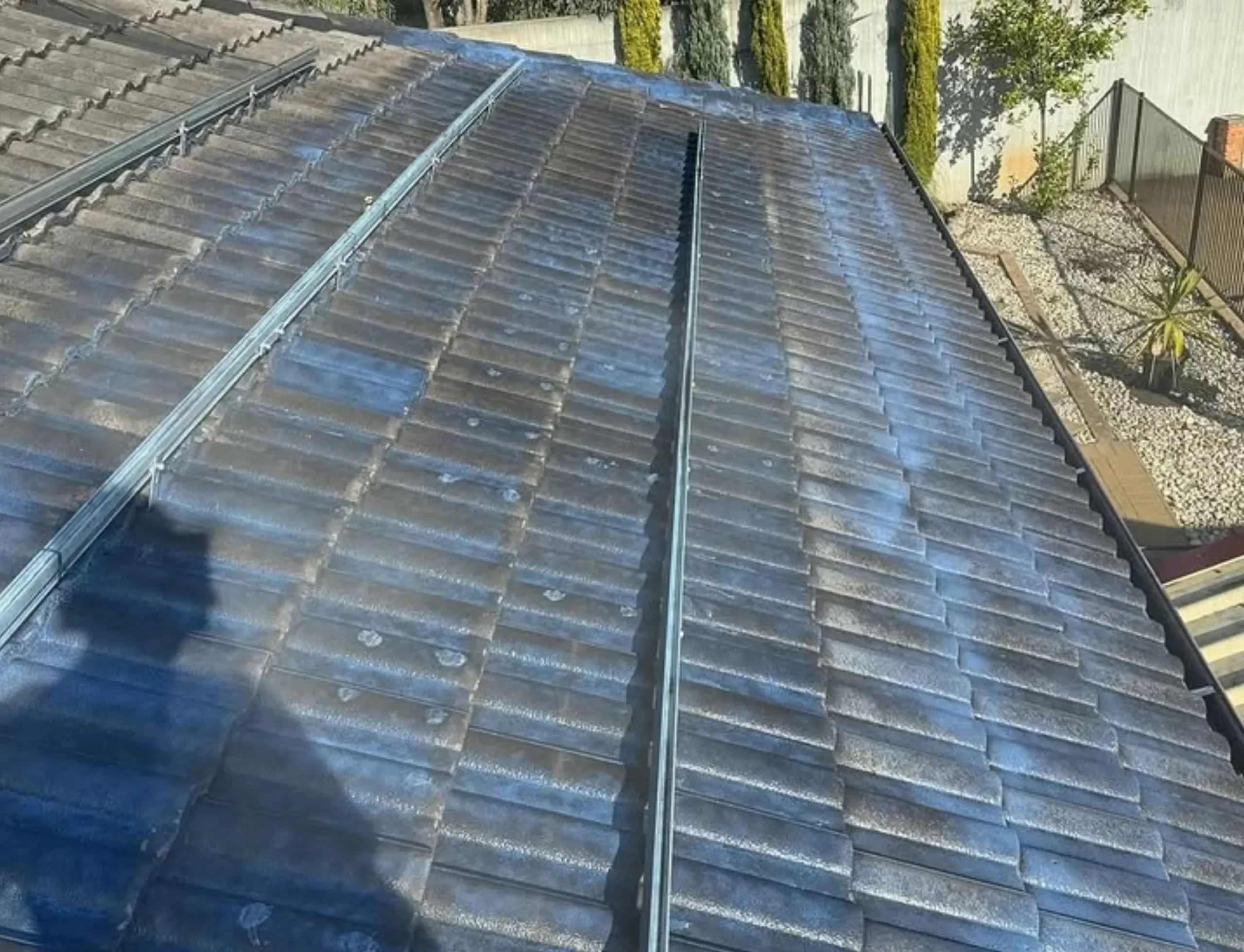
A lot of people think they can throw a roof spray on and call it a day. Wrong. It won’t fix:
- Broken tiles (you need to replace those buggers)
- Rusted valley irons (can’t just spray over rusty bits like that)
- Whirly birds that are literally just about to fall off
- Structural roofing issues (that need a proper fix from a roofer, not a spray can)
- Gaps under ridge caps (you can’t just fill those gaps with spray-on and hope for the best)
- Cracked roofing membrane (can’t just topcoat over that, you need to go deeper)
We’ve seen people try to cover up major roof leaks with a spray coating – all it did was hold the moisture in and make the problem worse. Don’t expect a miracle – it’s just a protective layer.
Why Many Opt for Seamless Roof Protection
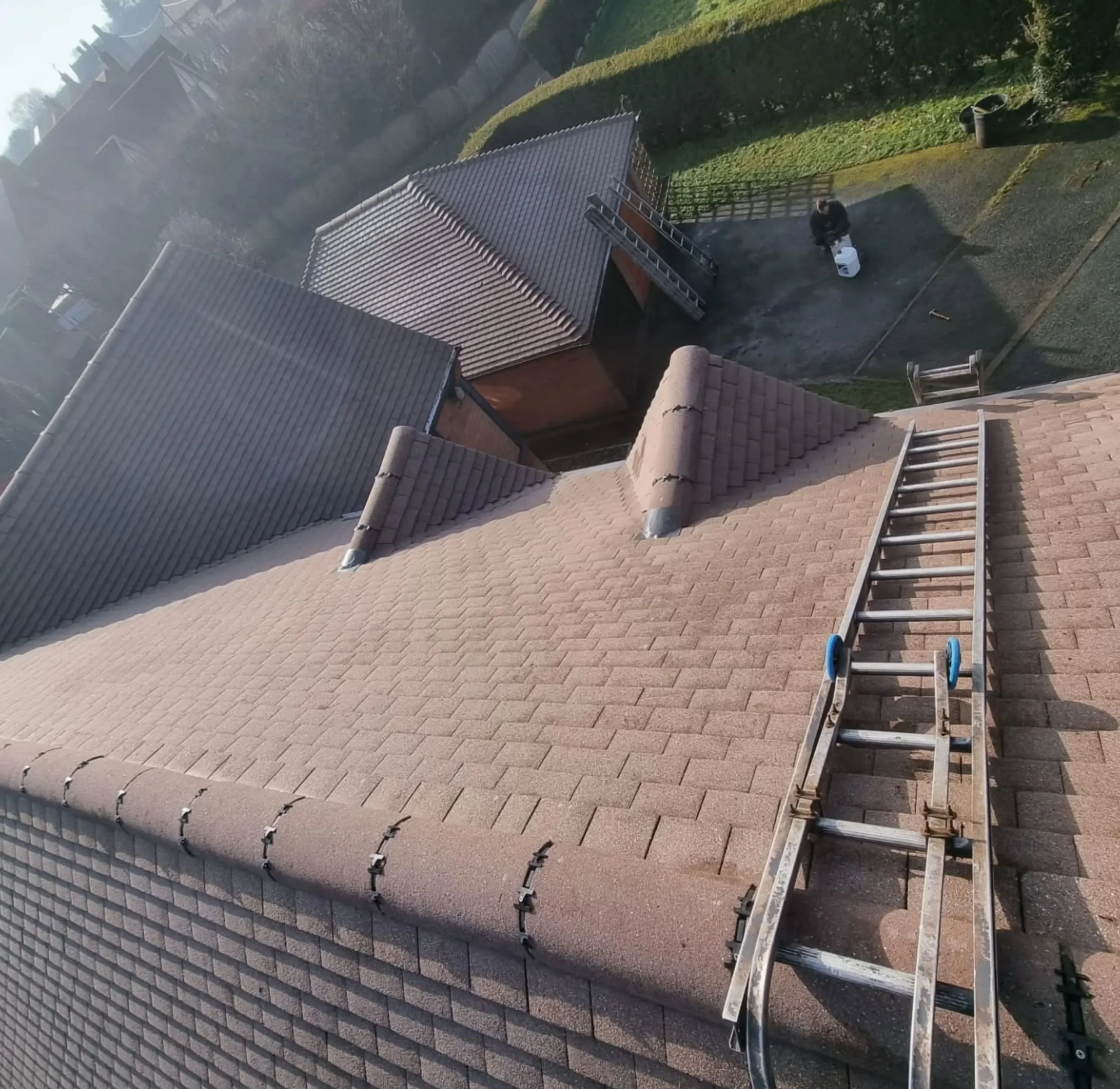
Aussie roofs have to put up with a pretty rough time: scorching summers, sideways rain, salt air that eats away at everything, pollen storms that’ll make your eyes water, red dust that stains everything and winter mould that’ll have you dreading checking your roof. Plus, every roof substrate reacts differently to it all – metal roofs expand, synthetic tiles fade, Colorbond shingles turn chalky, asphalt shingles get old and brittle, and concrete tiles trap all sorts of organic nasties.
Spray-on systems have a certain appeal because they promise the earth:
- UV resistance
- Lower roof temperatures (which is great news for your energy bills)
- Energy savings from being a better insulator
- A longer-term fix to patch repairs
But none of that will work if the roof underneath is as rough as the streets of a dodgy city.
How It Actually Works
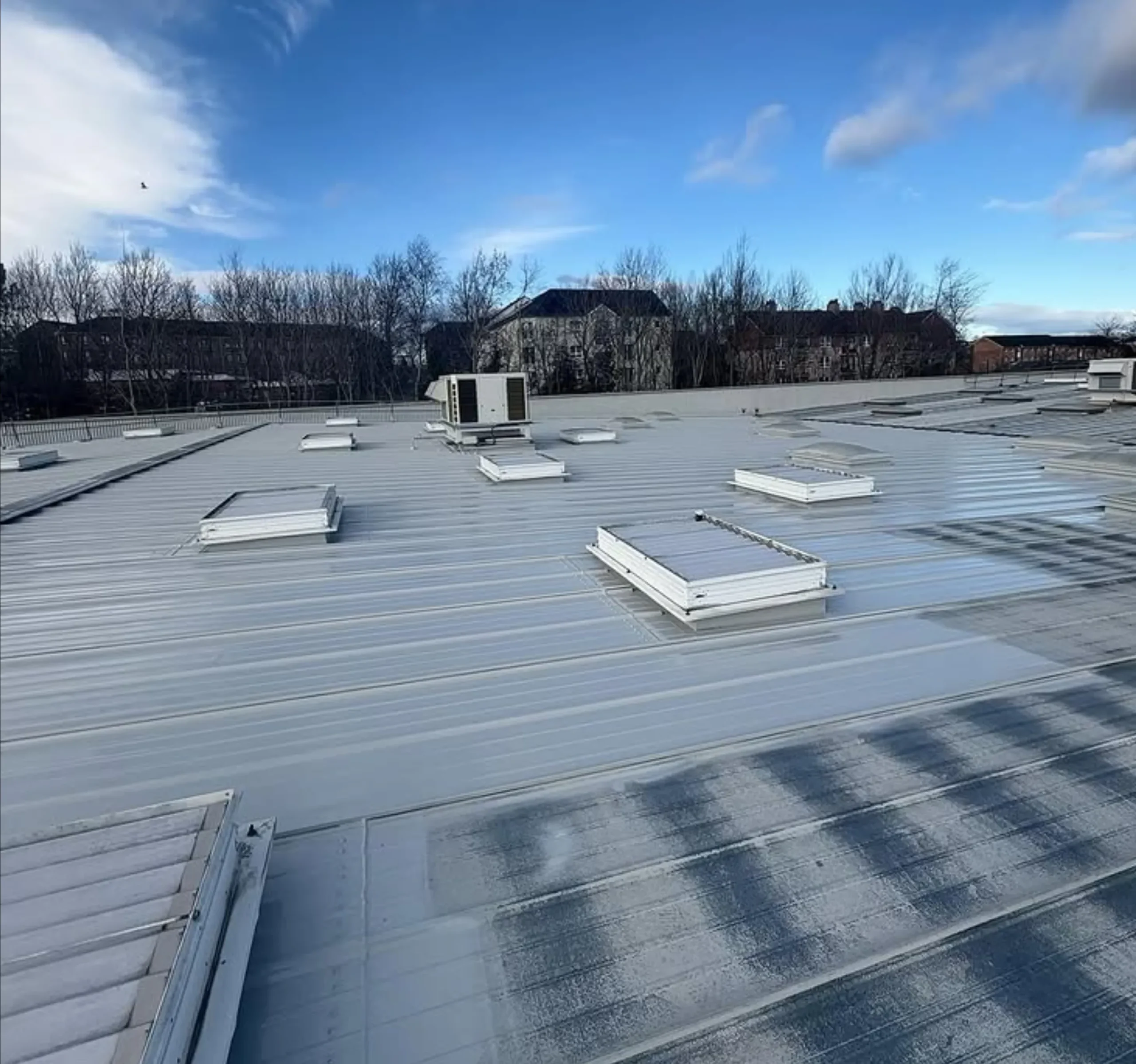
The coating relies on three main things: adhesion, the right thickness, and a properly prepped roof surface.
1. Get a Proper Clean (It’s Amazing How Often This Gets Skipped)
A spray coating won’t stick to:
- Dust and dirt that’s accumulated over the years
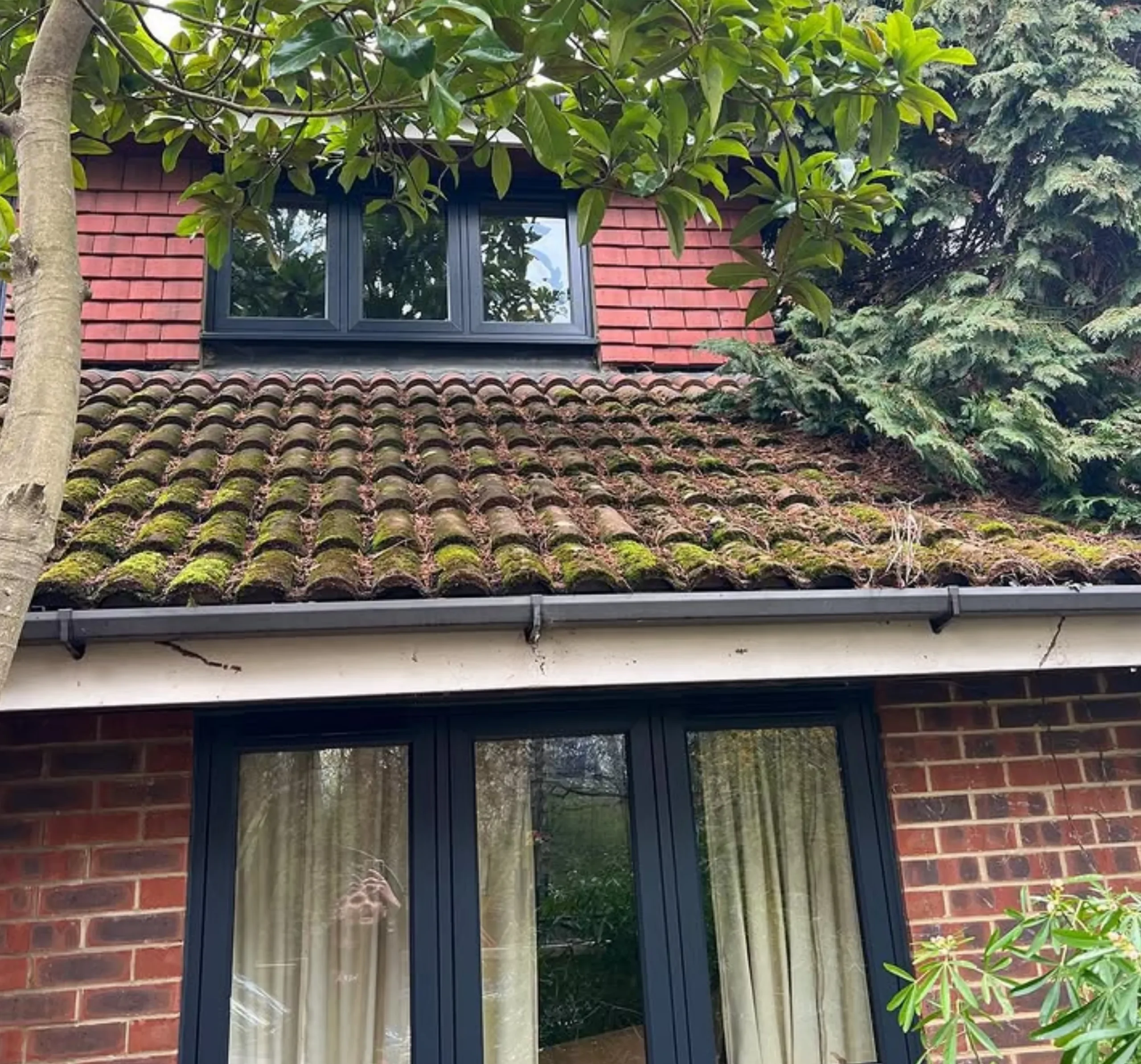
- All sorts of organic matter that’s got stuck in your roof
- Old, flexible pointing that’s about to crack
- Salt crusts that’ll eat away at the coating
- Built up grime that’ll just fall off the moment you apply the coating
So first things first, give the roof a good clean: grab a pressure washer and clear out the cobwebs (literally). Maybe you’ll even need to bust out the chemical cleaners to get rid of the more stubborn grime. If you don’t, the coating will just lift right off, like cheap paint on a cold winter day.
2. Thickness is Everything
Most systems need:
- At least two or three coats
- Time to let each layer dry properly between applications
- To make sure it’s evenly spread across each and every tile, valley and flashing
3. Weather Conditions to Watch Out For
The coating will go a bit pear-shaped if you spray it during:
- High humidity, and the air is full of water vapour
- Extreme heat – your coating will be cooking in no time
- Early morning dew – the last thing it needs is a good soaking
- Rain windows – not exactly the best weather to be spraying on a coating in
We’ve seen the coating bubble because someone used a spray foam gun on a wet morning. Now that’s a rookie mistake.
We get asked that all the time: “Do spray on roof coatings work?” And the honest answer from our crew at Window Cleaning Melbourne is: they work a treat on a roof that’s in good nick, but they’re dead in the water on a roof that’s already showing cracks.
The Pros And Cons
Here are the facts as they are.
Pros
- Adds a waterproof layer to your roof
- Slows down the effects of UV on your roof
- Adds extra insulation value if you use the right type of foam
- Works really well on flat or low-slope roofs
- Helps with energy efficiency and makes the inside of your house a lot more comfortable
- It can extend the life of your roof if the base is in good shape
Cons
- They won’t fix the underlying problems on your roof
- Needs a pro to do a proper inspection before you even think about applying the coating
- If you don’t clean the roof properly before applying the coating, it won’t stick
- Can peel on a worn-out roof substrate
- Get the wrong product, and you’ll just waste your money
- Not suitable for roofs that are rusted through (metal roofs)
Types And Their Uses
| Roofing Product | Best Uses | Avoid On | Our Notes |
| Silicone-Based Coating | Metal roofs, high UV areas | Heavy ponding water | Fantastic UV resistance |
| Acrylic Coatings | Hot climates, energy savings | Water-prone flat roofs | Reflective but not waterproof alone |
| Polyurethane Foam / SPF | Improving insulation value | Brittle tiles | Provides high insulation value |
| Elastomeric Liquid Roofing | Expanding/contracting roofs | Rusty sheets | Flexible membrane with thick coatings |
Roof Might Benefit From A Spray Coat
Spray works when:
- The roof membrane is old but intact
- Metal roofs show surface wear, not rust holes
- Synthetic tiles are faded but stable
- Colorbond has chalking but no corrosion
- Indoor heat gain is excessive
- You want an energy-efficient roof upgrade without replacing the whole system
Signs it won’t work:
- Broken tiles everywhere
- Leaking valley irons
- Gaps under ridge caps
- Rot or corrosion
- Widespread moisture damage
If a roof needs repairs, it needs repairs — spray coatings aren’t shortcuts.
Realistic Cost Guide (Melbourne Conditions)
Spray-on roofing prices depend on:
- Roof size
- Roof substrates
- Prep requirements
- UV rating of the coating
- Whether polyurethane foam is included for insulation
Average ranges:
- Acrylic & elastomeric: $25–$45 per m²
- Silicone-based coating: $35–$60 per m²
- Spray polyurethane foam: $45–$80 per m²
The highest cost isn’t the coating — it’s the cleaning and prep work. If someone quotes you without inspecting the roof? Dodgy as.
When Liquid Roof Solutions Excel
We’ve seen spray roofing shine when:
- Flat roofs need a waterproof layer
- Metal roofs need UV & weather-resistant protection
- Homeowners want energy-efficient roofing without replacement
- Commercial properties need a seamless membrane
- Old asphalt shingles need reinforcement
And when we pair the coating with proper cleaning, sealing and repairs, the system becomes a long-term solution — not just a cosmetic fix.
When Spray Treatments Are A Waste Of Cash
These treatments fail when:
- Used to “patch” actual holes
- Sprayed on dirty surfaces
- Applied over rust
- Used instead of valley iron repairs
- Applied during bad weather
- Sold as a “lifetime” fix
We’ve scraped off failed coatings where someone literally sprayed over lichen. No coating survives that.
FAQ
Will spray-on roofing stop leaks permanently?
No — it handles minor surface moisture but won’t fix structural leaks, rust holes or broken tiles.
Does spray polyurethane foam improve insulation?
Yes. SPF adds real insulation value and can reduce heat gain through metal roofs and flat roofing systems.
Can you spray over Colorbond roofs?
Yes, but only after a proper pressure clean to remove chalking, grime, and dust deposits.
Is spray-on roofing better than replacing tiles?
It’s cheaper, but it won’t fix major roofing issues. Think of it as a layer of protection, not a replacement.
How long does a spray coating last?
Most systems last 5–15 years, depending on UV exposure, coating type, prep work and weather during application.