
The Pinnacles Desert, situated in Nambung National Park in Western Australia, is known for striking limestone formations; however, there is much other natural beauty in the place. Not only because of this otherworldly landscape, but this ecosystem also holds a variety of life forms that can flourish in such a seemingly harsh environment. It is a surreal landscape where yellow sand sloshes together with the stunning limestone structures, creating awesome experiences for nature lovers and explorers.
Let’s get closer to the Pinnacles inhabitants and focus on the plants and animals that we have seen so far. What is the reason behind this region being more than just a geographical structure? It’s a biological region where Australian wildlife survives in the middle of the far from a hospitable landscape.
Flora: Adapted to Survive in Arid Land
The plant life towards the Pinnacles shows what nature is capable of in arid land. Even though this area resembles a desert, the common plant species here have adapted and are capable of thriving with little water, high sun exposure and poor soils.
Coastal Shrublands:
The Pinnacles are surrounded by areas of Aussie coastal shrublands with tough coping vegetation like wattle, grasses and acacia. Some of these common plants grow in white sand dunes and in very poor soils, providing forage and cover for wildlife. Their contribution to the plant communities benefits animal species like rodents, lizards and birds.
Banksia Woodlands: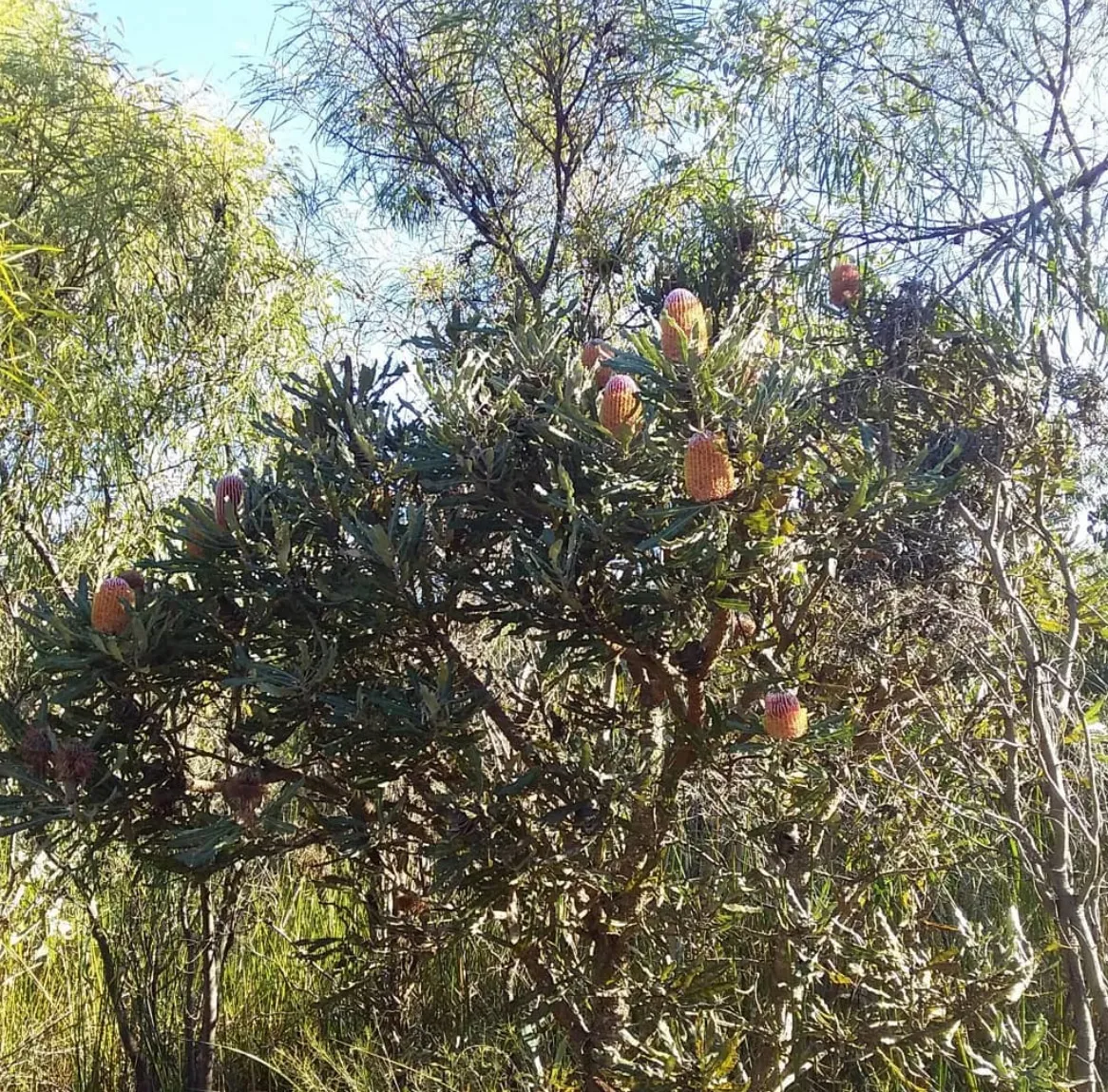
The Banksia woodlands are important habitats and landscapes typical of the Pinnacles system. The Banksia trees, which blossom all year round, support a wildlife diversity, as it provides food in the form of nectar to birds, insects among others. Banksias, which are well-suited to dry areas where most vegetation cannot flourish, ensure that pollinators, mainly, native bees and birds, including honeyeaters get to exist.
Wildflowers: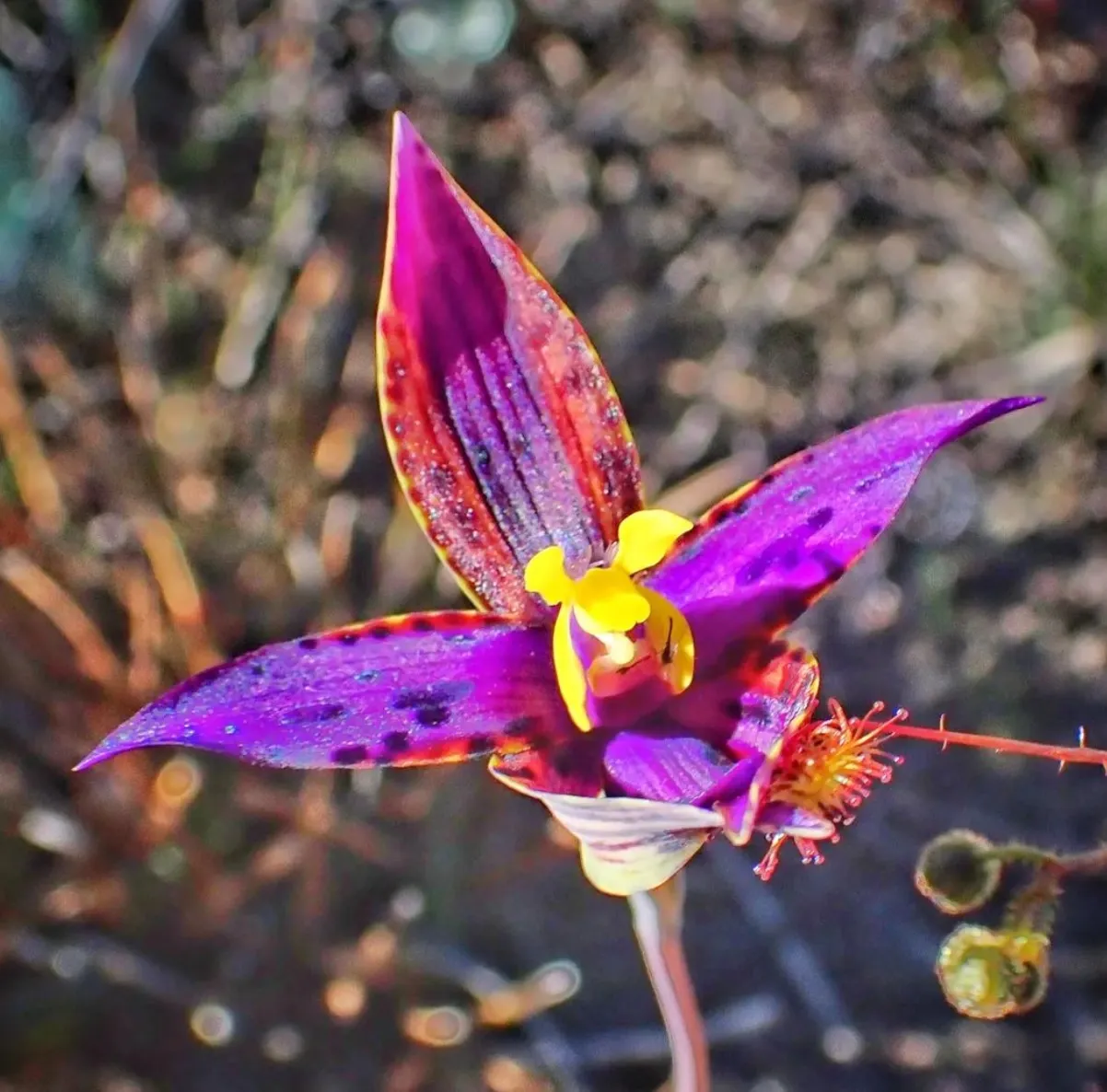
The Pinnacles’ wildflowers are best enjoyed from spring (September to November) onwards when the desert turns into a colourful and lively promenade. In springtime, flora more including orchids, pink everlastings and other indigenous plants spring up, thus enticing many insects to pollinators. Many tourists with an interest in plant communities and wildlife observations are mainly attracted by this colourful flamboyance.
Medigung Plants and Invasive Species:
Inhabitant Tribes in the Past Used the Pinnacles’ Medicinal Flora for Traditional Medicines. The introduction of new invasive plants is however endangering the equilibrium of this natural habitat. Control of invading species is of paramount importance in order to ensure the continued existence of spearhead species that have for a long time existed in the region.
Fauna: A Hidden World of Wild Animals
While the Pinnacles’ land may appear to be so dry and without life, this is very far from the truth. Wild animals abound in the area, and most of them are adapted to the extreme environments. This location is a wildlife habitat for animals like kangaroos, those that slither, including snakes, and those that fly, including birds.
Western Grey Kangaroos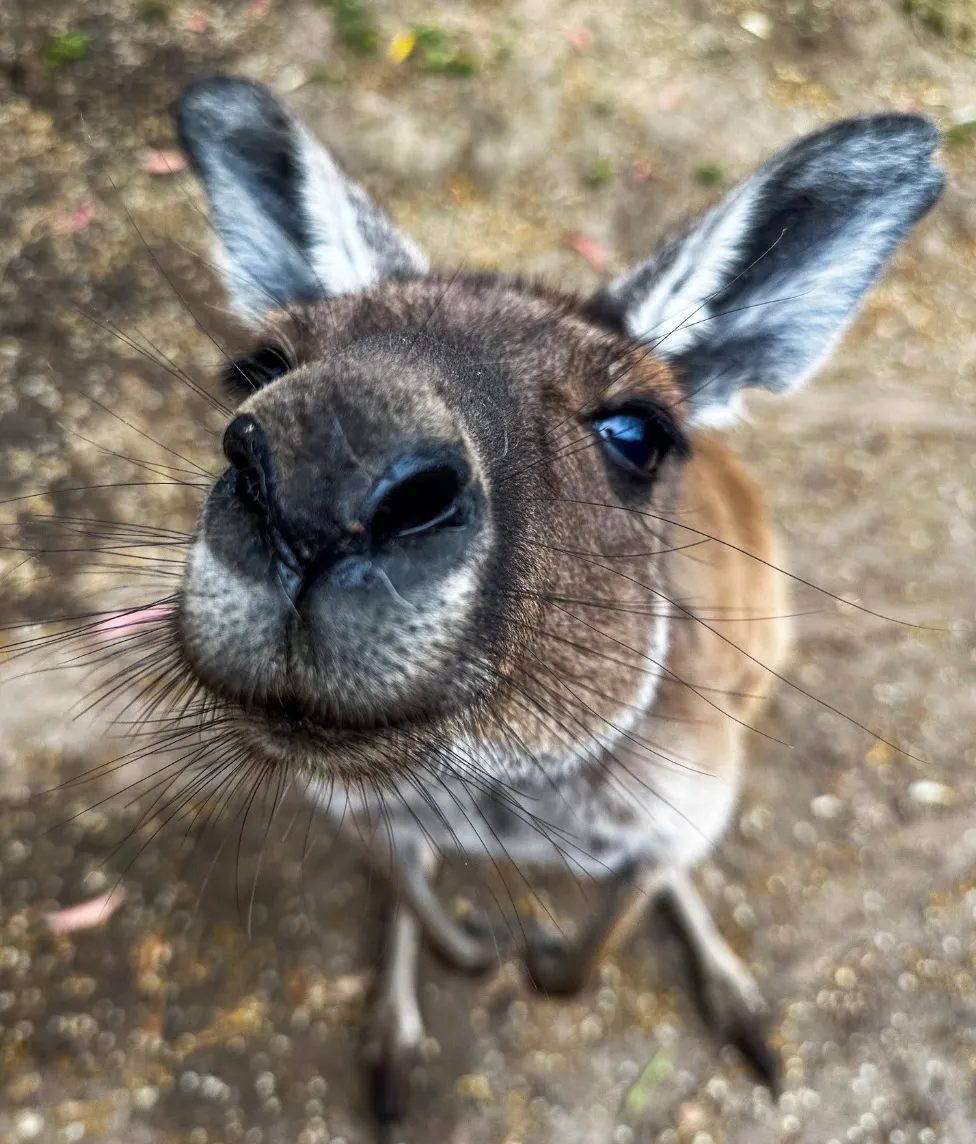
Western Grey Kangaroo is one of the most noticeable animals in the Pinnacles. Such kangaroos can usually be spotted in early mornings or at sunset, feeding on the thin layer of native grasses. In this difficult environment however, they are experts in energy conservation and shelter themselves from the scorching heat in the hottest part of the day.
Emus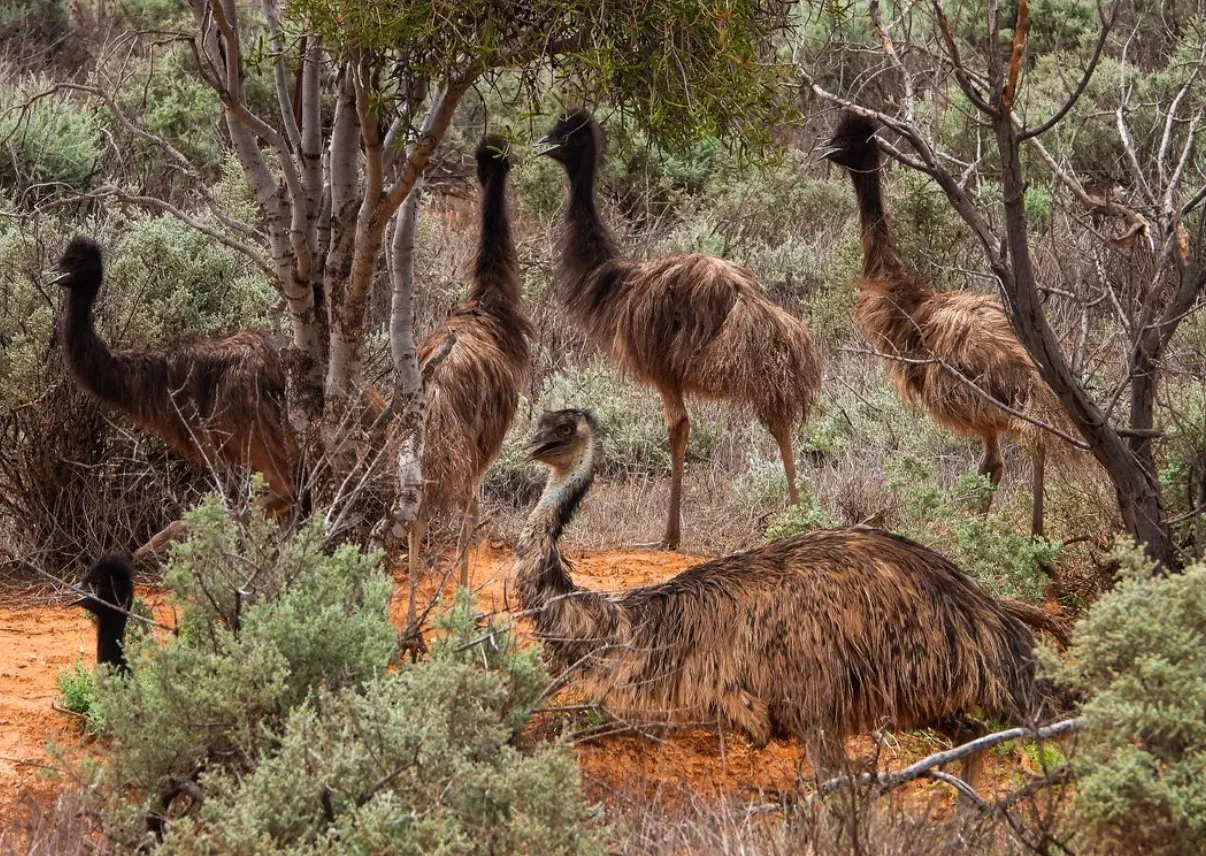
Emus inhabit probably the most bizarrest of all Pinnacles landscapes in search of seeds, insects and flora. Emu Island is sacred territory to these large birds and their flightless status does not detract from their contribution to the environment as they contribute to the planting of seeds in the ecosphere and even nourishment of the plants.
Reptiles and the Black-Flanked Rock Wallaby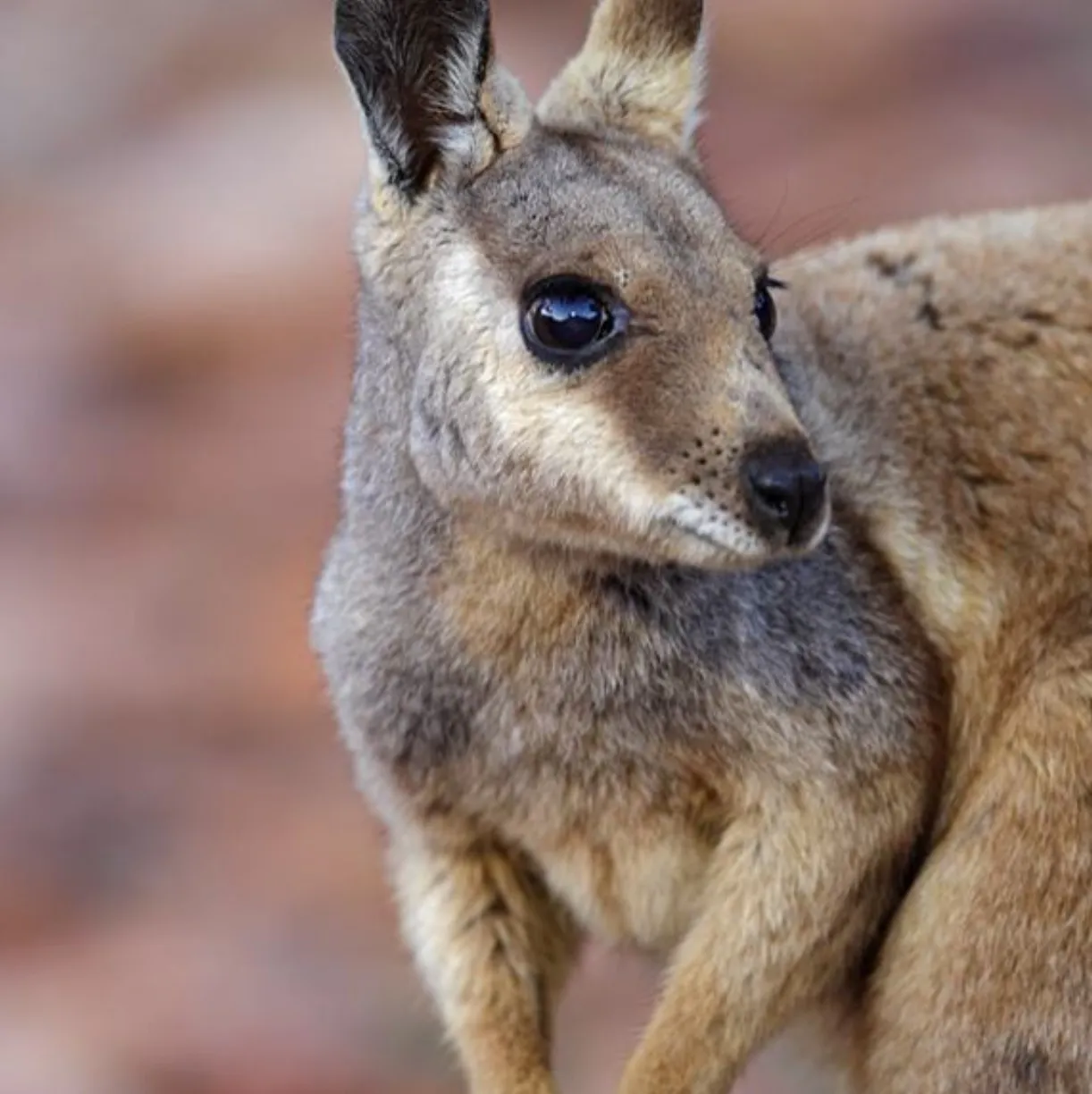
Reptiles such as sand goannas, skinks, and geckos exist moreover in the Pinnacles. It balances the ecosystem as it helps the effortless control of insects. Another member of the otherwise rare wildlife of its area, the black-flanked rock wallaby, is also found in this region and hence broadens the scope of biodiversity of the region.
Observations of Avian and Animal Life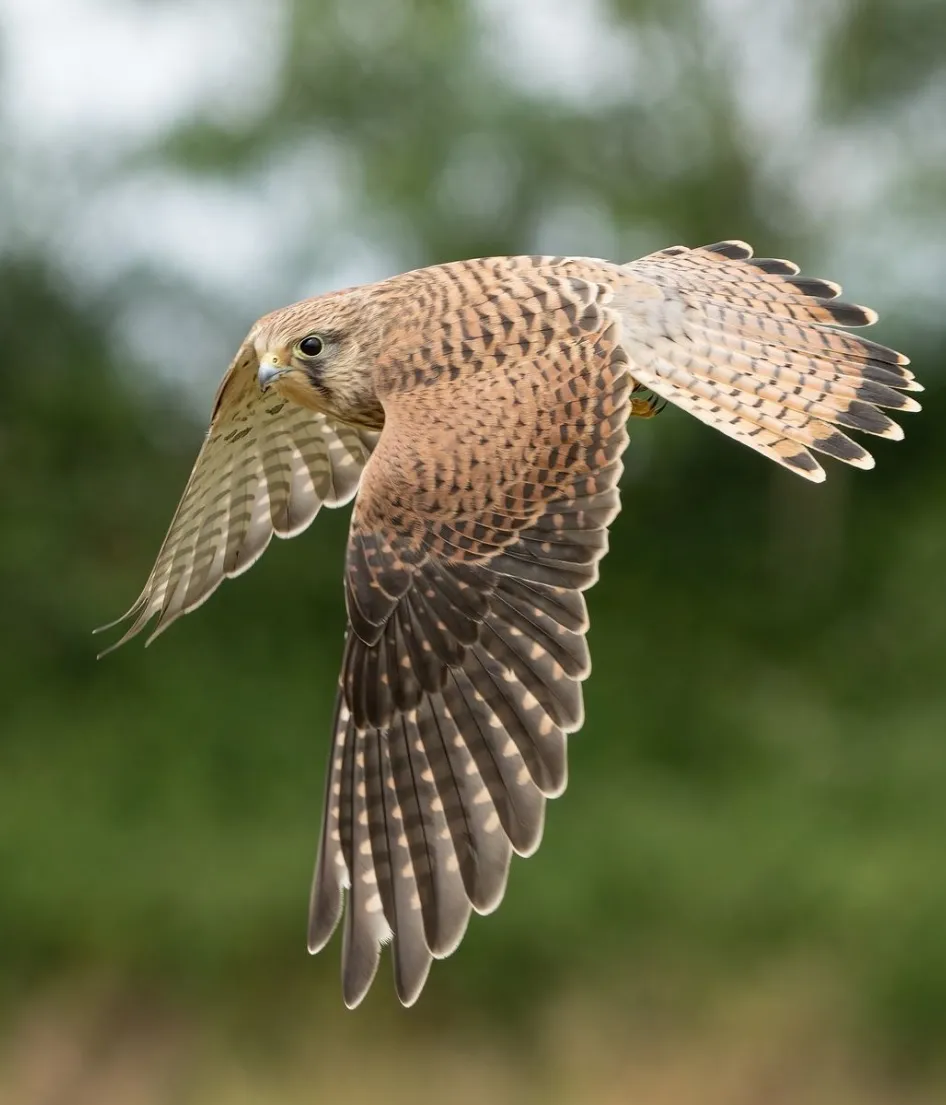
Bird watchers will seek to catch all sorts of honeyeaters, or kestrels, parrots etc. around gum trees which are common in these areas as they serve as good sources of nectar. For ardent followers of birds and animal life, the Pinnacles provide both their average and exotic birds and animals in the index of nature. It’s also an opportunity to observe how these animals behave in the face of trying to live in a dry area.
Observations of Insects, Arachnids, and Nocturnal Species
This wildlife habitat is rich in insects and arachnids such as ants, beetles, and spiders. At this time of day, which is usually cool, many nocturnal mammals, such as big-eared kangaroo rats and other small mammals, feed actively. Though somewhat rare, attempts by these nocturnal species to hunt at night are proof of life in such inhospitable conditions.
Geology And The Distinctive Tourist Experience
The Pinnacles are graceful attributes of nature, but they also make for a geological wonder. The stunning limestone figures are made geologically and are much older than a thousand years, which are made out of the seabed with old seashells when the ocean recedes. All these may make the mean elevation of the exposure to euphoric images as the rather advanced panoramic limestone structures protrude on yellow desert sand with the prevailing desert blue sky.
On the one hand, the region’s ancient history corresponds beautifully to the present-day biological diversity, explaining the natural contours of the earth. At the same time, Lake Thetis, with its stromatolites, is in close proximity and also helps understand the geological past of the region, creating an additional interest for the tourists.
For those who are not youngsters who seek healthy activities or encouragement and seek more than ‘pure life’ adventures, there is no doubt that the Pinnacles at Night will also deliver great stargazing opportunities. The pollution-free environment provides a glimpse of the detailed appearance of puffs of the galaxy, which is identified as the Andrea galaxy.
Explore the Majestic Pinnacles on a Guided Tour
Discover the full splendor of the Pinnacles through a guided tour, which provides an enriched experience by delving deep into the fascinating geological and historical significance of this unique landscape. These Pinnacles tour can range from daytime explorations, where the sun casts ever-changing shadows over the limestone formations, creating a photographer’s paradise, to enchanting night tours under starlit skies, offering some of the best stargazing experiences in the world. Expert guides will share insights about the ancient origins of the Pinnacles, the local wildlife, and the surrounding ecosystems, making it a must-do for any visitor to the region.
Conservation: Protecting a Fragile Ecosystem
The ecosystem of The Pinnacles is fragile and needs to be preserved for the posterity. The conservation undertaking seeks the restoration of plant communities, protecting indigenous flora and availing measures to reduce the risk of alien species invasions. Tourists contribute significantly in sustaining the very ecology they are visiting by adhering to trails and not engaging with animals.
It is, therefore, through these measures that the visitors can guarantee that the Pinnacles National Park preserves a prosperous landscape of Australian wildlife and wildlife in action.