
I get an email or overhear a traveller at the Pinnacles Discovery Centre every now and then asking, “Where can I see condors in the Pinnacles?” It’s a fair question, especially since the term ‘Pinnacles’ also refers to a place in the United States where wild condors are part of a major conservation project. But if you’re talking about Nambung National Park in Western Australia, the answer is simple: you won’t find condors here, no matter how hard you squint through your viewing scopes.
Condors, those magnificent birds with a huge wingspan, are from the Americas. In Australia’s Pinnacles Desert, we have our own amazing bird life, from wedge-tailed eagles to kestrels and ospreys — incredible creatures that fly over rock spires and shifting dunes like seasoned pilots of the outback sky. I’m Paul Beames, and after years of leading trips through this rugged landscape with Pinnacles Tours, I can say there’s plenty to see here, even without condors flying overhead.
Rock Spires and Rugged Landscapes
Nambung National Park is a wild and surreal desert just two hours north of Perth. It’s famous for its limestone pillars — tall, twisted rock spires that rise out of yellow sand like something carved by time and wind. Scientists believe the formations were created from ancient seashells compacted by volcanic activity and coastal winds over thousands of years.
You can drive a 4 km loop road or walk several short trails that wind through the desert. Along the way, you might see land birds flitting between the dunes or creatures in flight above the rock formations. The Pinnacles Discovery Centre, one of the main visitor centres in the region, has interactive displays that explain the geology, local wildlife and Aboriginal Dreamtime stories that give this place its deep cultural significance.
Two Parks, One Name: Worlds Apart
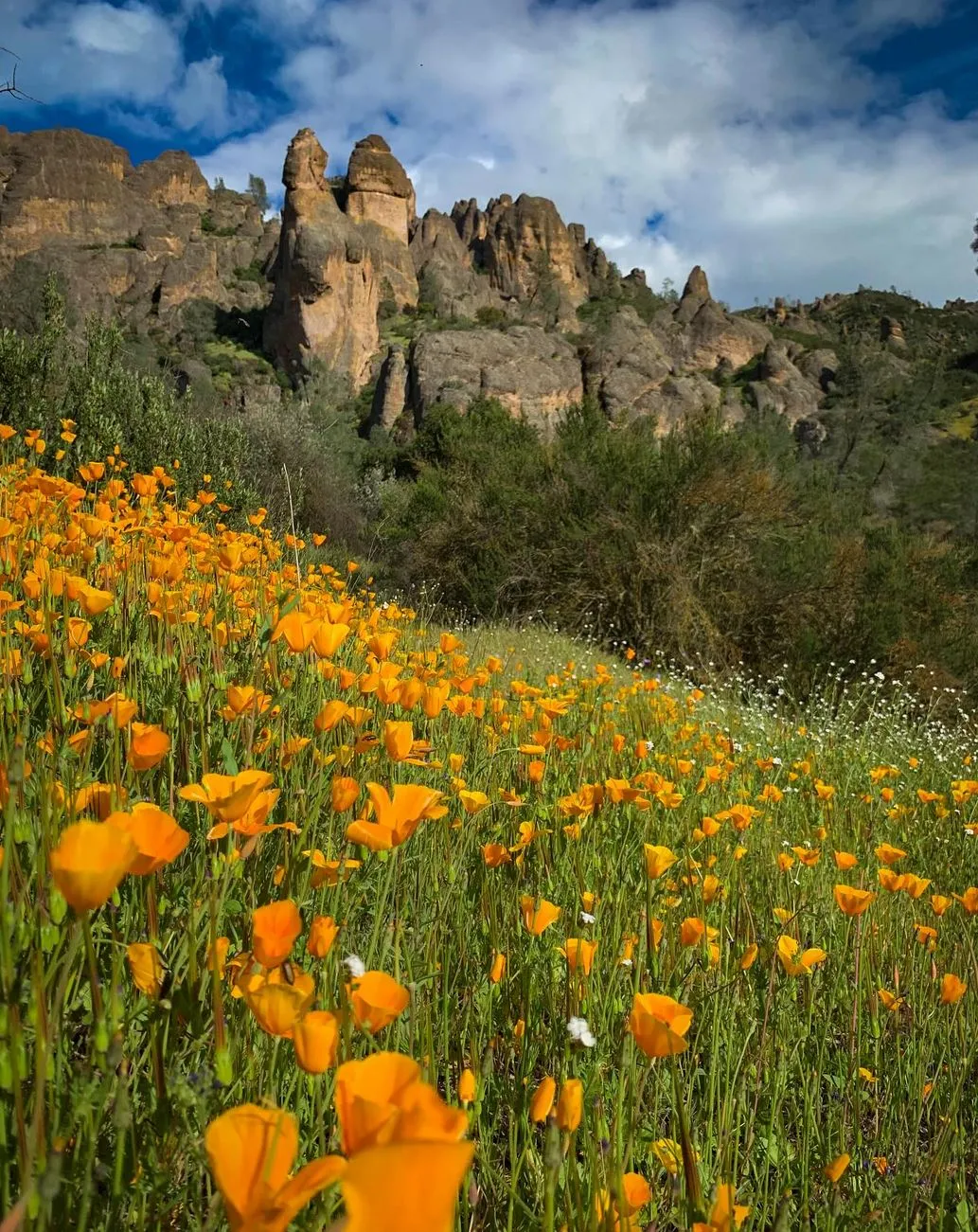
The condor question is often asked by people who get our Pinnacles Desert mixed up with Pinnacles National Park in California — a whole different place with deep canyons, big caves and towering cliffs formed by volcanic activity. That Californian park is where the condor recovery site is located, one of several breeding program areas for these amazing birds.
| Location | Country | Main Landscape Features | Bird Species Seen |
|---|---|---|---|
| Pinnacles National Park | USA (California) | Deep canyons, volcanic cliffs, expansive caves | Wild condors, hawks, and ravens |
| Pinnacles Desert, Nambung National Park | Australia (WA) | Sand dunes, limestone rock spires, coastal heath | Wedge-tailed eagles, kestrels, ospreys |
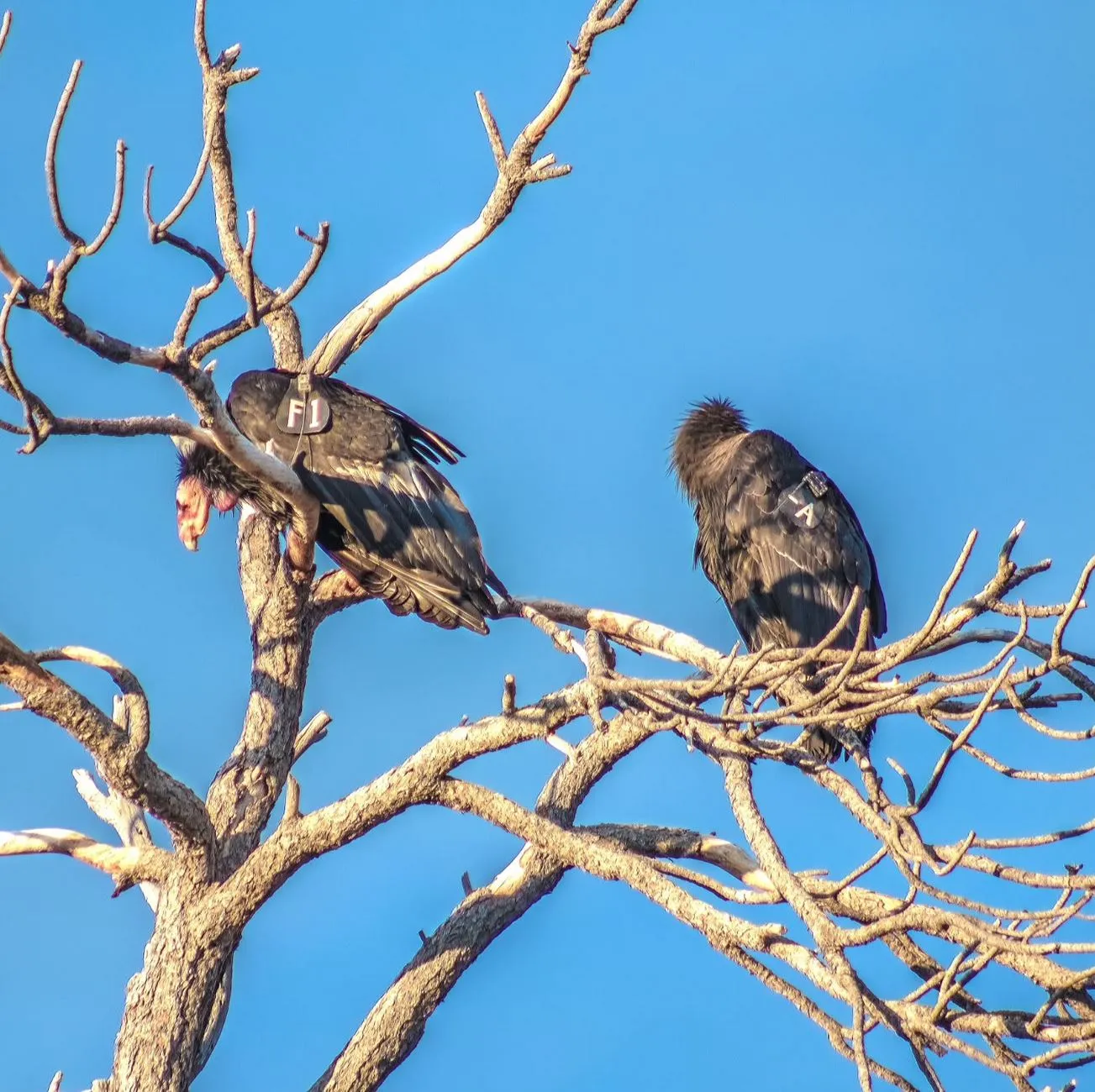
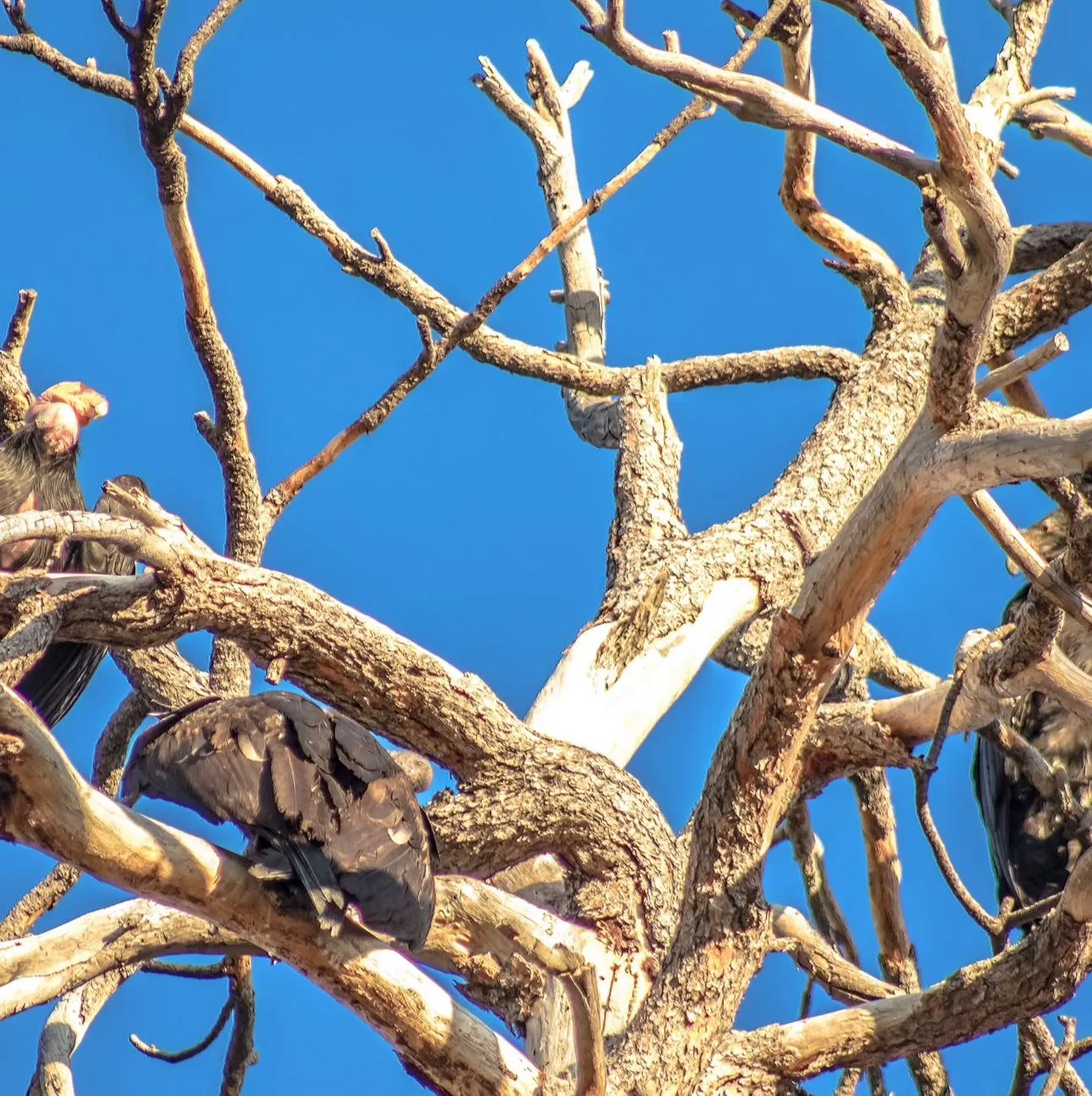
The American park is where the condor’s comeback is taking flight — literally. In the 1980s, there were only 27 of them left in the world, on the brink of extinction. Thanks to captive breeding and strict conservation, condors are flying again over the California cliffs. Each bird has a wing tag and radio transmitters so scientists can track their movements and survival in the wild.
Inside the Amazing Recovery Program
The condor breeding program in the US is one of the biggest wildlife rescues ever. Captive-bred condors are released into the wild in phases, with colourful tags and small radio transmitters so conservation teams can track their progress.
At places like Pinnacles National Park in California, rangers use viewing scopes to track these amazing birds as they soar above deep canyons and rugged landscapes. Visitors are even alerted to new sightings via the park’s alert system. It’s a delicate balance between conservation and human intervention — to restore the species without making them dependent on captive breeding programs.
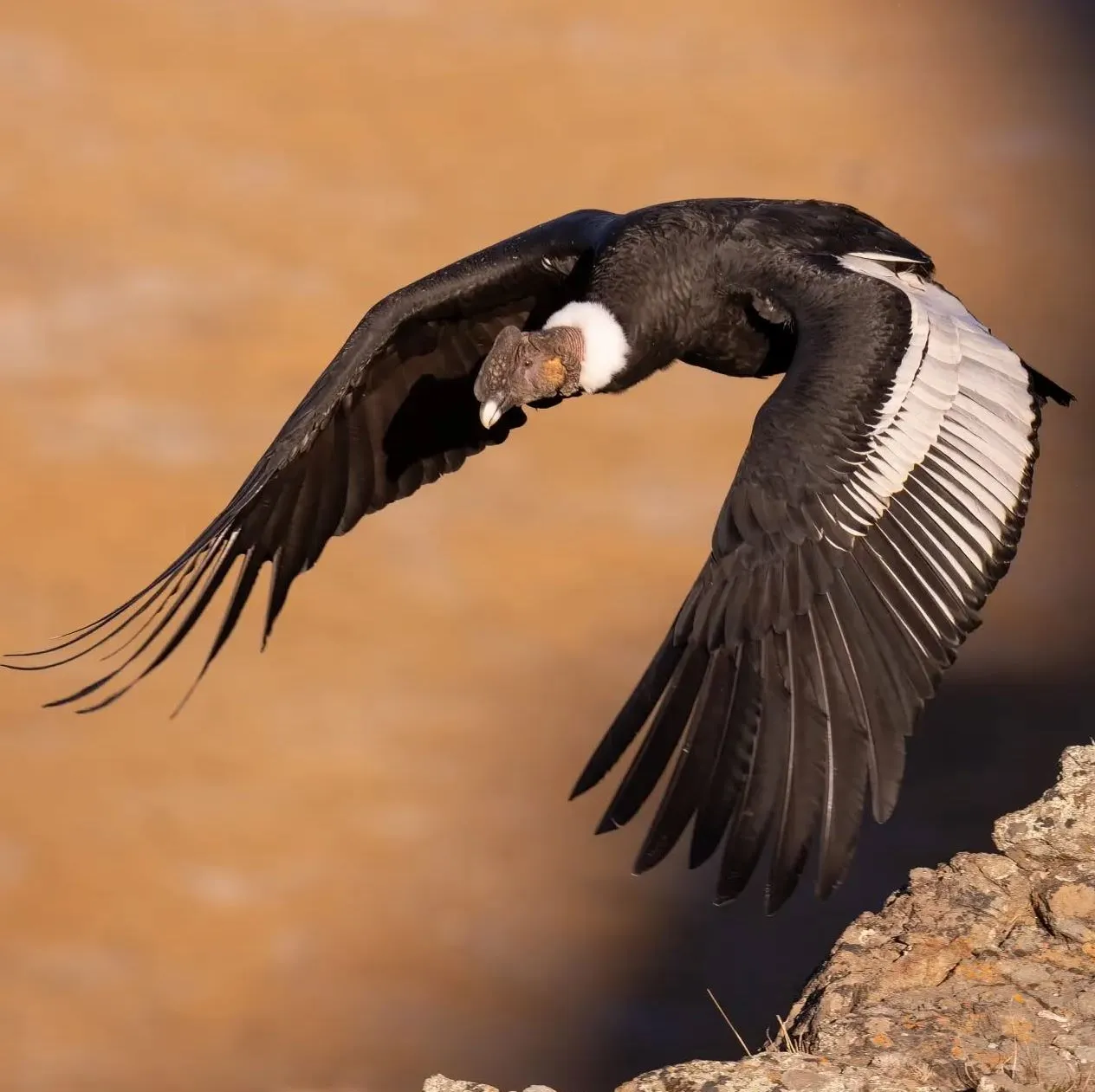
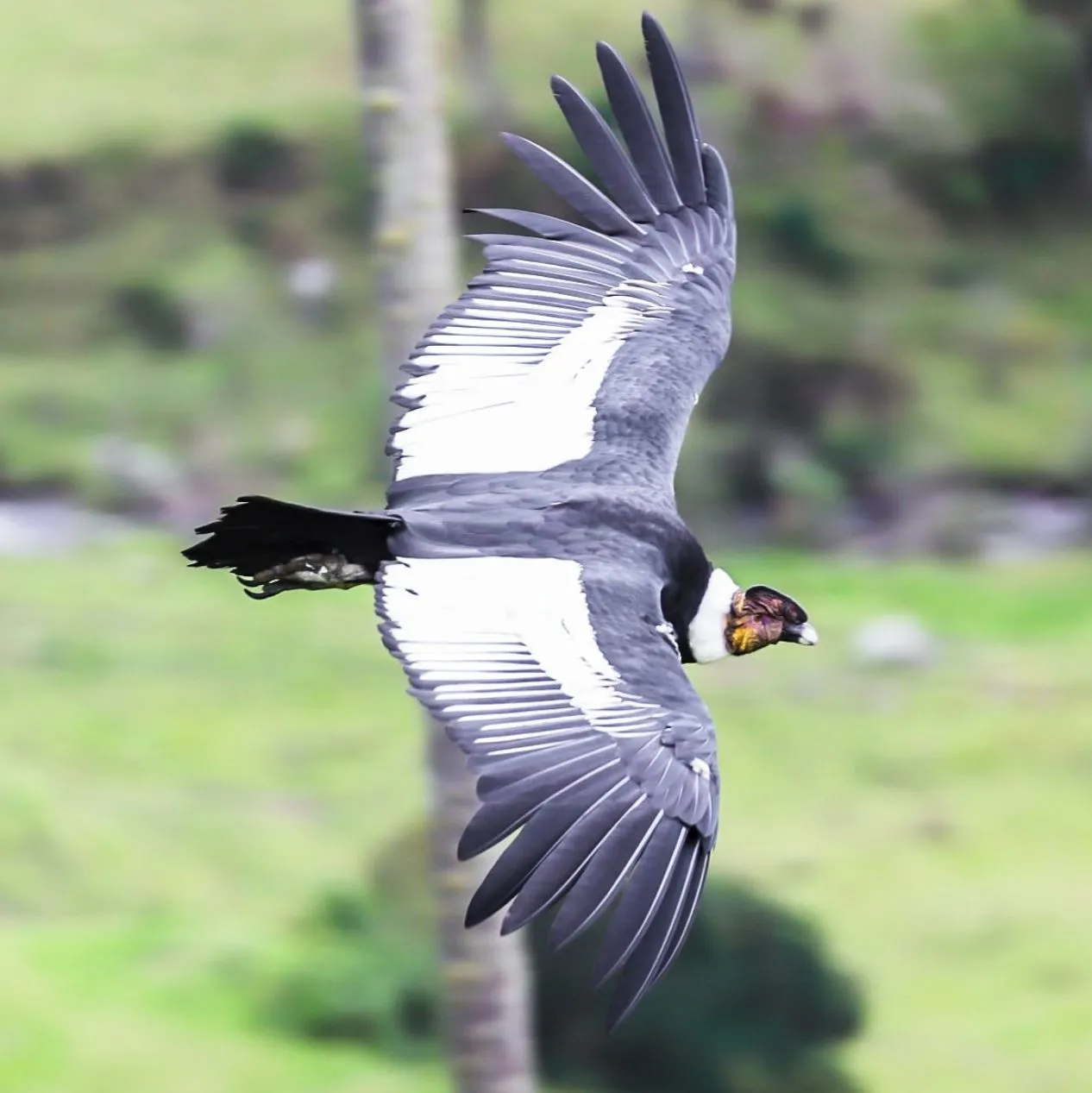
A condor is hard to miss: a three-metre wingspan, eyes that can spot carrion from kilometres away, and a bald head for scavenging. Up close, you might see their colourful wing tags flapping in the wind — each one a chapter in the species’ slow but steady comeback story.
Birds You Can Actually See
While there are no condors here, the skies above Nambung National Park are far from empty. You’ll still find impressive, mighty birds soaring above the dunes — species every bit as captivating in their own right.
Wedge-Tailed Eagles
Australia’s largest bird of prey, the wedge-tailed eagle, rules the skies with a wingspan of up to 2.7 metres. You’ll see them gliding above the desert, looking for roadkill or scanning for prey. They’re the closest you’ll get to that condor energy. On a 1 Day Pinnacles Tour, you’ll have a good chance of spotting one flying the thermals above the dunes.
Ospreys and Sea Eagles
Along the coast near Cervantes, ospreys and white-bellied sea eagles dive into the turquoise water for fish before returning inland. These birds in flight are hunters extraordinaire and are often seen near the limestone headlands. On some Pinnacles Tours itineraries, you might see them while driving the Indian Ocean Drive.
Nankeen Kestrels
These small land birds hover like helicopters, scanning the sand for lizards or insects. They’re a crowd favourite on any 1 Day Pinnacles Tour.
Best Seasons and Viewing Conditions
The Pinnacles Desert is open year-round, but for bird sightings and photography opportunities, timing helps:
| Season | Conditions | Bird Activity |
|---|---|---|
| Autumn (Mar–May) | Mild weather, fewer flies | Excellent raptor activity |
| Winter (Jun–Aug) | Cooler temps, softer light | Great for eagle sightings |
| Spring (Sep–Nov) | Wildflowers in bloom | High bird activity, nesting season |
| Summer (Dec–Feb) | Hot and windy | Birds are active early morning/late arvo |
If you want prime lighting, dawn and dusk are unbeatable. That’s when the limestone pillars cast long shadows and birds soar in the golden light — perfect for photographers and twitchers.
Visitor Tips and Practical Info
Entry Fee: About $15 per vehicle
Opening Hours: Sunrise to sunset
Facilities: Visitor centres, toilets, picnic shelters
Road Access: 2WD-friendly loop road (4 km)
Drone Use: Permitted under CASA rules — don’t disturb the birds
If you’re planning to camp, note that there are no campsites within the Pinnacles Desert itself. Cervantes and Jurien Bay have accommodation and caravan parks. If you have camping questions, the staff at the Discovery Centre can help.
If you’d rather sit back while someone else handles the driving, join Pinnacles Tours for a 1 Day Pinnacles Tour from Perth — they’ll take you from the desert to the sea, with time to explore dunes, beaches and birdlife.
Why This Desert Landscape Is Unique
The Pinnacles are more than just rocks in the sand. They’re part of an ancient landscape shaped by wind, salt and shifting dunes. They sit at the crossroads of geology, biology and culture — a place where modern visitors can connect with deep time and nature’s artistry.
Unlike the American Pinnacles, where condors soar over volcanic ridges, Australia’s Pinnacles offer a different kind of grandeur: eagles gliding over sunburnt limestone, emus crossing dusty tracks and the feeling you’re walking through an open-air museum built by nature herself.
A Shared Lesson from Two Amazing Places
In their own way, both Pinnacles share a story of resilience. The American version is about a mighty bird saved from human interference; the Australian version is a testament to landscapes that have survived millennia of weather and change.
Whether it’s the ongoing recovery of wild condors or the fragile desert ecosystem here in Nambung National Park, both remind us how easily beauty can slip away — and how powerful careful stewardship can be.
Final Thoughts
So while you won’t see captive-bred condors or colourful wing tags flying above the Pinnacles Desert, you will see something just as special. Watch a wedge-tailed eagle rise over the dunes, or see an osprey return to its nest as the sun sets over the Indian Ocean. Those moments will give you the same sense of being in the presence of something bigger, older and wilder than ourselves.
If you’re ready to see the real Pinnacles, pack your hat, plenty of water and a sense of adventure. And if you ever make it to California one day, you can visit the condor recovery site there too — two Pinnacles, one shared passion for amazing creatures and the land that lets them fly.
FAQ
Are there wild condors in Australia?
No. Condors only live in North and South America. Australia’s biggest bird is the wedge-tailed eagle.
Where can I see condors in the wild?
In the U.S., wild condors can be seen at recovery sites like Pinnacles National Park (California), Grand Canyon (Arizona) and Zion (Utah).
What’s the purpose of the condor breeding program?
The program is to bring the species back from extinction. Captive breeding facilities raise condors for release into the wild and monitor them with wing tags and radio transmitters.
Are there walking trails in Australia’s Pinnacles?
Yes, there are several short walks around the desert loop where you can get up close to the limestone pillars and see bird species native to the area.
Can I visit both Pinnacles in one trip?
You could, but you’d be crossing hemispheres. The American Pinnacles have deep canyons and condor sightings; the Australian Pinnacles have desert scenery, local wildlife and unique geology.